
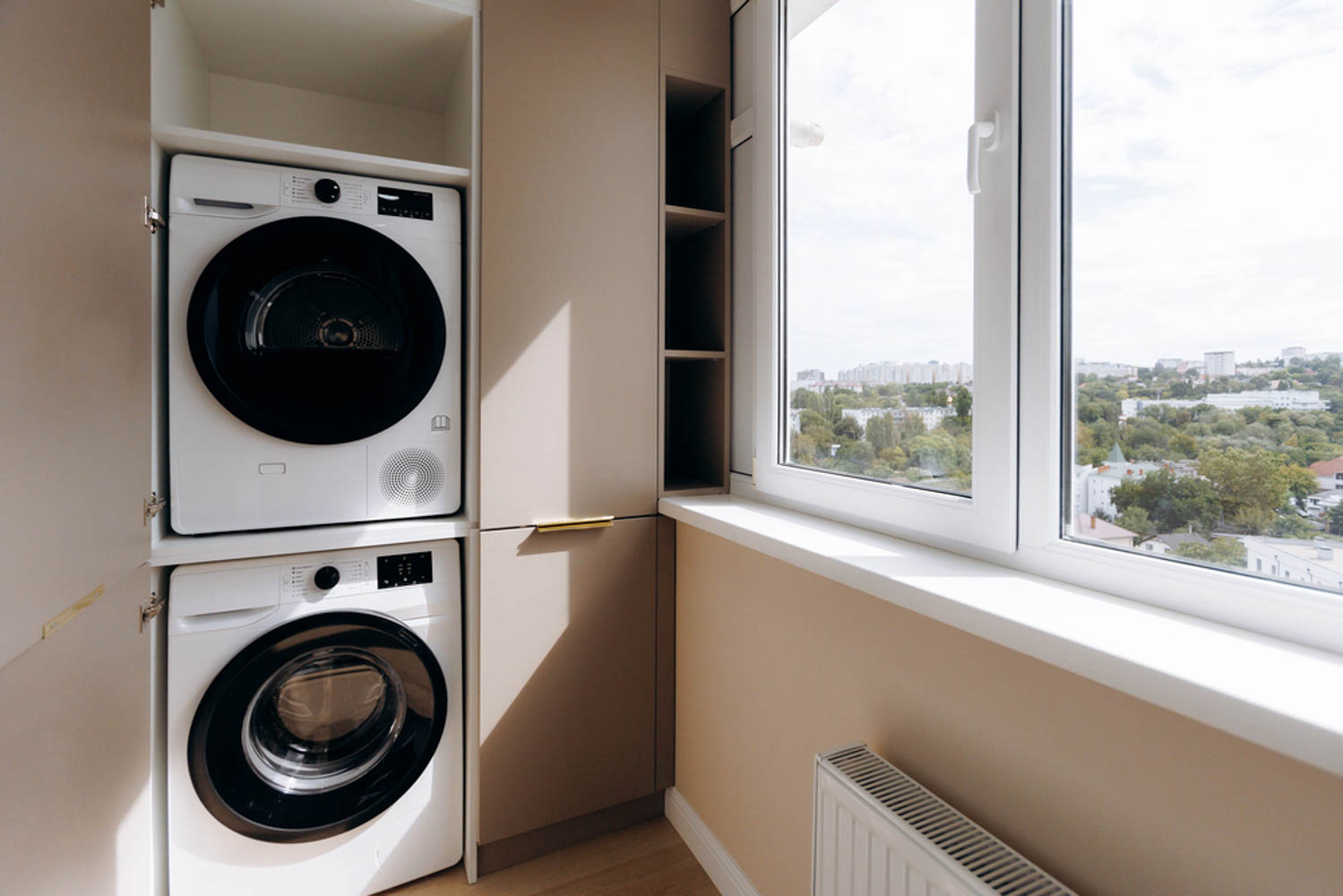
Living in a high‑rise comes with conveniences, but it also introduces unique maintenance issues. One often overlooked area is Toronto condo dryer vent cleaning, which plays a critical role in safety, efficiency, and indoor air quality. Unlike single‑family homes, multi‑unit buildings have complex layouts and shared systems that make proper upkeep more challenging—and more essential.
The Structural Complexities of High-Rise Laundry Systems
High‑rise buildings are designed with space efficiency in mind, but that often means laundry exhaust systems are longer, more winding, and harder to access.
- Extended ductwork: Vents may run vertically through multiple floors, increasing the risk of blockages.
- Shared pathways: In some condos, multiple units connect to common exhaust lines, making sanitation a collective responsibility.
- Limited access points: Maintenance crews often face difficulty reaching hidden sections, which can lead to overlooked buildup.
These structural realities highlight why professional service is more than just a convenience—it’s a necessity.
Fire Safety Concerns in Multi-Unit Buildings
One of the most pressing reasons for consistent high-rise dryer vent maintenance is fire prevention. Lint accumulation is highly flammable, and in a shared system, a single neglected line can put dozens of families at risk.
- Dense occupancy means a fire spreads faster.
- Shared walls and ceilings amplify the danger.
- Insurance implications: Many condo boards require proof of regular sanitation to comply with safety standards.
By prioritizing sanitation, residents not only protect themselves but also safeguard their neighbors.
Indoor Air Quality and Health Risks
Beyond fire hazards, dryer vent sanitation Toronto condos is essential for maintaining healthy indoor air. Moisture trapped in clogged ducts can lead to mold growth, which circulates allergens throughout living spaces.
- Respiratory issues: Mold spores and dust can aggravate asthma and allergies.
- Odor problems: Stale air from blocked ducts creates unpleasant smells in shared hallways.
- Energy waste: Restricted airflow forces appliances to work harder, increasing utility bills.
Sanitation ensures that residents breathe cleaner air and enjoy a healthier environment.
Building Codes and Regulations in Toronto
Local building codes play a crucial role in how ventilation systems are installed and maintained in high-rise properties. These regulations are designed to ensure safety, but they can also limit how and when maintenance is performed.
Important Considerations
- Fire safety codes require proper airflow and lint control
- Restrictions on modifications to existing ductwork
- Mandatory inspections in some buildings
- Responsibility split between unit owners and property management
Understanding Toronto condo maintenance regulations dryer vents is essential to staying compliant. In many cases, building management is responsible for the main shafts, while residents handle in-unit components.
The Role of Property Managers and Condo Boards
In multi‑unit buildings, responsibility for laundry exhaust upkeep doesn’t fall solely on individual residents. Property managers and condo boards are legally and practically accountable for ensuring systems are safe, compliant, and regularly sanitized. Their role goes beyond scheduling—it’s about protecting the entire community.
Key Responsibilities of Property Managers
- Coordinating with licensed technicians: They arrange professional sanitation services and inspections, ensuring work meets building code standards.
- Maintaining records: Documentation of cleanings and inspections is critical for insurance claims, compliance audits, and liability protection.
- Educating residents: Managers must communicate safety protocols, explain warning signs of blocked ducts, and encourage residents to report issues promptly.
- Budgeting for maintenance: Regular sanitation should be factored into operating budgets, preventing costly emergency repairs or fines.
The Role of Condo Boards
Boards act as decision‑makers and policy enforcers. Their responsibilities include:
- Setting maintenance policies: Boards establish rules on how often sanitation must occur and whether residents share costs.
- Ensuring compliance with building codes: They are accountable for meeting municipal fire safety and air quality regulations.
- Managing liability: If a fire or health issue arises due to neglected maintenance, boards can be held responsible.
- Protecting community reputation: Proactive maintenance enhances resident trust and preserves property value.
Resident Responsibilities
While boards and managers carry the bulk of responsibility, residents also play a role:
- Cleaning lint traps after each use.
- Reporting performance issues such as longer drying times or unusual odors.
- Following building policies on scheduled sanitation and inspections.
By clearly defining these roles, everyone in the building understands their part in maintaining safe, efficient, and compliant laundry systems. When property managers and boards take a proactive stance, they not only protect residents but also strengthen the reputation and long‑term value of the building.
How Often Should Toronto Condo Dryer Vents Be Sanitized
Frequency of sanitation is one of the most common questions residents and property managers ask. The answer depends on several factors, including building design, usage habits, and safety regulations. While every high‑rise has unique needs, here are expanded guidelines to help determine the right schedule:
- Annual service for most units
- A once‑per‑year professional sanitation is the baseline recommendation.
- This ensures lint, dust, and moisture buildup are cleared before they become hazards.
- Semi‑annual service for shared systems
- If multiple apartments connect to a common exhaust line, twice‑yearly sanitation is strongly advised.
- Shared pathways accumulate debris faster, and one neglected unit can compromise the entire system.
- Heavy laundry use
- Families or residents who run multiple loads daily should consider more frequent service.
- High usage accelerates lint accumulation and airflow restriction.
- After renovations or construction
- Dust and debris from remodeling projects often settle into ventilation pathways.
- A post‑construction sanitation prevents blockages and protects appliance efficiency.
- Performance warning signs
- Longer drying times, overheating, or unusual odors are red flags.
- These symptoms indicate restricted airflow and should trigger immediate service.
- Climate considerations
- In humid summers, moisture buildup can encourage mold growth.
- In cold winters, condensation inside ducts can freeze, leading to blockages.
Why Frequency Matters
Regular sanitation isn’t just about convenience—it directly impacts:
- Fire safety: Reduces the risk of ignition from lint buildup.
- Energy efficiency: Keeps appliances running smoothly, lowering utility bills.
- Indoor air quality: Prevents mold spores and dust from circulating through living spaces.
- Compliance: Meets building code requirements and avoids penalties for property managers.
By following these timelines and adjusting based on usage or building design, residents and boards can ensure safer, healthier, and more efficient living environments.
Prioritizing Preventive Maintenance
High‑rise living offers convenience, but it also demands vigilance in areas that residents may not immediately consider. Structural layouts, shared systems, and strict building codes make proper upkeep essential. By prioritizing professional service, residents and property managers gain more than just routine maintenance—they benefit from certified expertise, specialized equipment, and compliance with safety standards that DIY methods cannot match. Professional technicians can identify hidden risks, ensure proper airflow, and provide documented service that protects both property value and resident well‑being.
Far beyond routine upkeep, Toronto condo dryer vent cleaning is essential to protecting residents, property value, and urban quality of life.
Book your professional dryer vent service call today to safeguard your condo, improve efficiency, and enjoy peace of mind knowing your home is in expert hands.


