
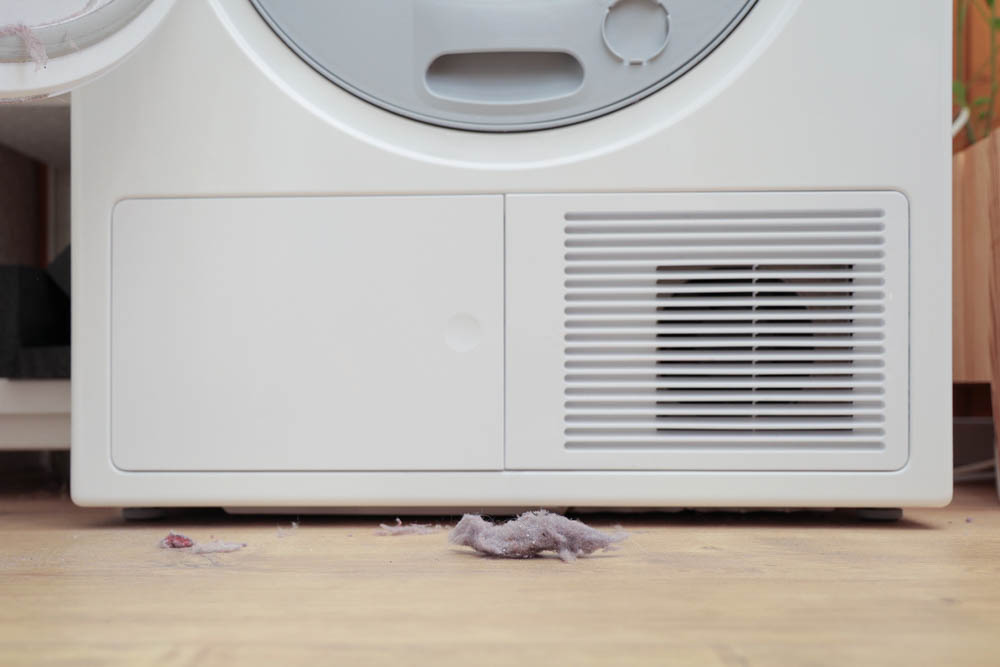
When we talk to homeowners about dryer vent maintenance, the conversation usually starts with safety or appliance performance—not resale value. Yet for Canadian homeowners preparing to sell, an overlooked dryer exhaust system can turn a small maintenance issue into an unexpected concern during the home inspection.
A restricted or poorly maintained dryer vent can affect operating efficiency, create a potential safety concern, and give buyers another reason to question the condition of a property. Health Canada advises homeowners to keep dryer exhausts clear, ensure dryers vent outdoors, clean the lint filter after every load, and check for lint buildup around the exterior vent.
For sellers, that makes the dryer vent worth paying attention to long before listing day.
Safety Concerns That Lower Buyer Confidence
Buyers are naturally cautious when they discover anything involving fire safety. Lint left in a dryer’s exhaust piping can ignite at high temperatures, making a blocked or heavily restricted system more than just an inconvenience.
During a viewing, a buyer may not know whether a slow-drying dryer is simply old or whether the exhaust pathway is restricted. But if an inspector identifies an obvious concern, the issue can quickly become part of the buyer’s decision-making process.
Common clogged dryer vent symptoms include:
- Clothes taking noticeably longer to dry.
- The laundry room or dryer becoming unusually hot.
- Multiple cycles being required for one load.
- Weak airflow at the exterior vent.
- Excess lint accumulating around the exhaust opening.
- Unusual dryer performance despite regular lint-filter cleaning.
These signs do not automatically mean the vent is dangerously blocked, but they warrant investigation. A professional assessment can determine whether lint, debris, a crushed section, excessive bends, or another obstruction is restricting the system.
Direct Financial Impact on the Property
A clogged or restricted dryer vent can create financial consequences that go beyond the cost of professional service. When a home is being sold, even a relatively minor maintenance issue can become a negotiating point if it appears on an inspection report.
Here are some potential costs homeowners should keep in mind:
- Repair credits or reduced offers: If a buyer’s inspection identifies a restricted vent, damaged ductwork, or another exhaust problem, they may request that the seller complete the repair or provide a credit. Depending on the extent of the work required, a relatively straightforward issue could involve several hundred dollars in repairs, while more extensive ductwork or related remediation can cost considerably more. The actual amount varies by property and the underlying problem.
- Appliance replacement: A dryer that has been operating with restricted airflow may experience additional heat and longer operating cycles. If the appliance is already near the end of its useful life, buyers may factor potential replacement costs into their offer. A new residential dryer can commonly cost hundreds to more than $1,000, depending on the model, capacity, and features.
- Additional repair costs: A simple lint buildup may be resolved through professional service. However, if the assessment uncovers crushed ductwork, disconnected sections, poor installation, or damage around the exhaust termination, additional repair work may be necessary.
- Damage-related expenses: If a neglected exhaust system has contributed to moisture problems, fire damage, or damage to surrounding building materials, the financial impact can be substantially higher than the cost of routine maintenance. At that point, homeowners may also face insurance, restoration, and disclosure considerations.
The important distinction is between preventive maintenance and corrective work. Spending a relatively small amount to identify and address a developing problem can be far less disruptive than discovering it during a home sale, when the buyer has greater negotiating leverage.
For homeowners preparing to list, obtaining an assessment and keeping a record of completed maintenance can also make it easier to demonstrate that common dryer exhaust concerns have been addressed.
Buyer Confidence and Negotiation Power
Real estate negotiations often come down to perceived risk.
A buyer who sees a well-maintained home with documented upkeep has fewer obvious reasons to negotiate. A buyer who finds several small unresolved maintenance issues may start wondering what else has been overlooked.
A dryer vent problem might not determine the sale by itself, but it can contribute to that overall impression.
For example, imagine an inspector notes:
- Restricted exhaust airflow.
- Visible lint accumulation.
- A damaged exterior vent cover.
- A section of ductwork that appears improperly configured.
The buyer may request repairs, ask for a credit, or use the findings as leverage during negotiations.
That is why dryer vent inspection can be useful before putting a home on the market. Identifying a problem while you still control the timeline gives you more choices. You can arrange the work, obtain documentation, and present the property as properly maintained rather than waiting for the buyer to discover the issue first.
How Inspectors Reveal Value Risks
A home inspection is designed to identify conditions that may be defective, damaged, or unsafe, helping buyers make informed purchasing decisions. Canadian government guidance notes that inspections commonly involve a visual, non-invasive evaluation of major home systems and components.
An inspector may notice signs associated with a restricted dryer exhaust, particularly when the visible installation shows concerns around access, termination, duct configuration, or general condition.
However, homeowners should not assume that a standard home inspection provides the same level of assessment as a specialized vent service.
A dedicated technician can investigate the exhaust pathway more specifically and look for issues such as:
- Heavy lint accumulation.
- Obstructions inside the duct.
- Crushed or disconnected duct sections.
- Poor airflow.
- Exterior termination problems.
- Potentially unnecessary bends or long runs.
In some homes, the problem may not be visible from the laundry room. That is one reason professional assessment can be valuable before listing.
Long-Term Value Protection
Protecting resale value is not about making every component of a home brand new. It is about preventing avoidable problems from accumulating.
Routine dryer vent maintenance forms part of that broader approach to responsible home ownership. Keeping the exhaust pathway clear can support efficient dryer operation while reducing the chance that an easily preventable issue becomes a larger repair.
This is especially relevant in Canada’s climate. In winter, exterior vent openings can be affected by snow, ice, debris, or other obstructions. Health Canada specifically recommends checking exterior dryer exhausts and keeping them clear.
Homeowners should also pay attention to the condition of the duct itself. If inspection reveals damaged or poorly configured sections, dryer vent repair may be more appropriate than simply removing accumulated lint.
The goal is straightforward: maintain the system before deterioration becomes visible to buyers.
How Homeowners Can Protect Their Home’s Value
You do not need to wait until you are preparing to sell to address your dryer exhaust system.
A practical maintenance routine includes:
- Clean the lint filter after every load. This is one of the simplest ways to support proper airflow.
- Watch for performance changes. Longer drying times can be an early warning sign.
- Check the exterior termination. Make sure the opening is not blocked by lint, snow, leaves, or other debris.
- Pay attention to unusual heat. Excessive heat around the dryer deserves investigation.
- Arrange professional service when airflow appears restricted. Persistent problems may indicate an obstruction deeper inside the system.
- Address visible duct damage. A damaged section should not simply be ignored because the dryer still operates.
- Consider a professional assessment before listing. Resolving small concerns ahead of a home inspection can reduce surprises during negotiations.
If a technician identifies a dryer exhaust blockage, homeowners should have the cause investigated rather than assuming the problem will disappear on its own.
Protect Your Investment Before You Sell
A home buyer evaluates much more than countertops, flooring, and paint. They are also considering safety, operating costs, maintenance history, and the possibility of future repairs.
For homeowners, maintaining the dryer exhaust system is one practical part of keeping a property in better overall condition. A clean, properly functioning vent will not magically increase a home’s market price, but addressing preventable maintenance problems can help preserve buyer confidence and reduce opportunities for negotiation.
As a local dryer vent service company, we serve homeowners across Toronto, Winnipeg, Mississauga, Edmonton, Brampton, and Calgary, helping identify and address airflow restrictions, lint buildup, damaged ductwork, and other exhaust concerns before they become bigger problems. If you’re preparing to sell—or simply want to protect your home for the long term—dryer vent maintenance is a small step that can support safety, efficiency, and buyer confidence.
Schedule Before Your Inspection
Selling your home? Don’t wait for the inspection report to uncover a dryer vent problem. Schedule a professional service call today and head into the selling process knowing this often-overlooked detail has been taken care of.


