
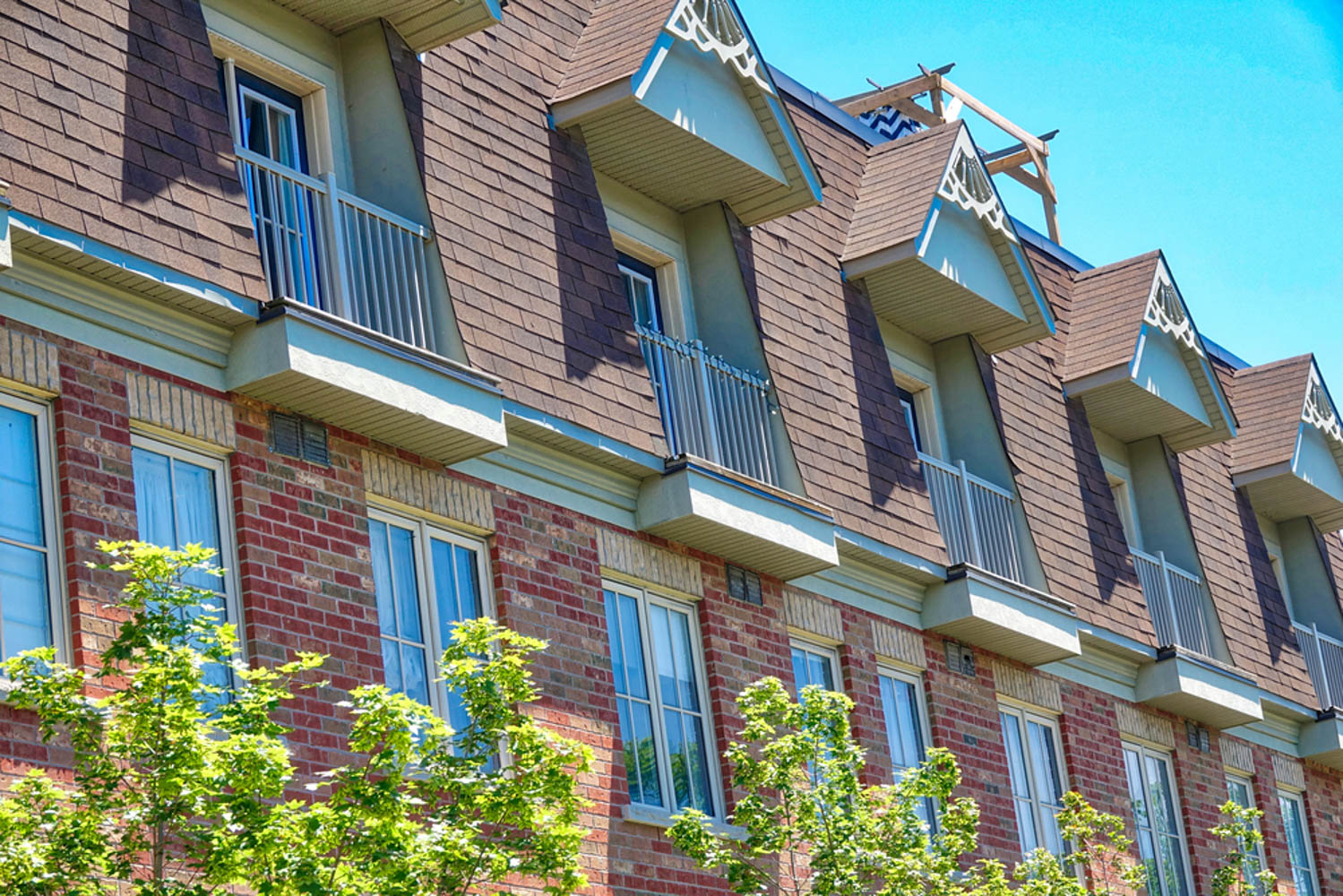
As residential development continues expanding, understanding dryer vent risks Brampton has become increasingly important because closely built homes, attached communities, and shared building systems can create unique airflow challenges. Many modern neighborhoods are designed to maximize available space, but compact layouts can sometimes make exhaust pathways more difficult to maintain.
A clothes-drying appliance depends on a clear route for warm, moist air to leave the property. When that pathway becomes restricted, the system may work harder, take longer to complete cycles, and generate more heat than intended. In townhouses and condominium buildings, these concerns can become more complicated because exhaust routes may pass through shared structures or areas that are difficult to inspect.
How Dense Neighborhood Designs Affect Airflow
Brampton’s growing communities include many attached homes, stacked units, and high-density developments. These housing styles offer convenience and efficient land use, but they also introduce design factors that can affect ventilation performance.
Compared with detached houses, compact residential layouts may include:
- Longer exhaust pathways between appliances and exterior outlets
- Additional bends that slow air movement
- Limited access for routine inspections
- Shared walls or utility spaces that hide potential issues
- Exterior discharge points that are harder to monitor
When airflow becomes restricted, residents may notice signs such as longer drying times, unusual heat near the appliance area, or increased indoor moisture. These symptoms may point to underlying dryer airflow problems that affect both efficiency and safety.
Why Townhouses and Condos Need Extra Attention
Attached housing creates a different maintenance environment because multiple residences are connected through shared structural elements. While each household operates its own appliances, certain building features can influence how effectively exhaust systems perform.
For many condominium residents, condo dryer exhaust issues can develop because of difficult-to-access pathways, aging infrastructure, or installation limitations. Problems may remain unnoticed because the affected sections are often located behind walls, ceilings, or other concealed areas.
Some common challenges in multi-unit properties include:
- Limited space for proper exhaust installation
- Complex building layouts
- Restricted access for inspections
- Shared maintenance responsibilities
- Changes made during renovations that affect airflow routes
These factors highlight why residents and property managers need to pay attention to systems that are not immediately visible.
How Restricted Airflow Creates Safety Concerns
A properly functioning exhaust pathway removes heat, moisture, and small fabric particles generated during regular use. When airflow becomes limited, heat can build up inside the system, reducing performance and increasing stress on the appliance.
In densely populated neighborhoods, these problems can be more difficult to identify because the exhaust route may not be visible. A small blockage or buildup inside a hidden section can gradually affect operation before obvious warning signs appear.
Common indicators include:
- Clothes requiring multiple cycles to dry
- Excess warmth around the appliance
- A noticeable burning odor during operation
- Moisture collecting in the laundry area
- Reduced performance compared with previous use
Recognizing these signs early can help prevent larger maintenance concerns and support safer household conditions.
The Role of Maintenance Access in Brampton Homes
One of the biggest challenges in compact housing is reaching the areas where problems develop. In some townhouses and condos, exhaust components may run through enclosed spaces, making regular checks more complicated than in traditional homes.
Professional inspections can help identify issues such as:
- Reduced airflow efficiency
- Hidden debris inside exhaust pathways
- Poor connections between components
- Damaged sections that restrict movement
- Installation problems affecting performance
Routine care is especially valuable in high-use households where appliances operate frequently throughout the year. Scheduling professional dryer vent cleaning Brampton residents rely on can help maintain better airflow and reduce unnecessary strain on equipment.
Preventing Problems in Attached Communities
Residents in high-density neighborhoods can take several practical steps to support safer operation. Small changes in daily habits, combined with proper maintenance, can reduce the likelihood of airflow-related concerns.
Helpful practices include:
- Checking exterior outlets for visible obstructions
- Keeping the laundry area free from items that block airflow
- Avoiding damaged or compressed exhaust connections
- Monitoring changes in drying performance
- Reporting building-related concerns to property management
For shared communities, townhouse fire prevention is not only an individual responsibility. Building managers and homeowners’ associations can also contribute by encouraging regular inspections and clear maintenance procedures.
How Modern Housing Trends Influence Safety Practices
As Brampton continues to grow, residential construction is increasingly focused on efficient land use and connected communities. These changes require residents to understand how hidden building systems affect everyday safety.
Dense neighborhoods are not automatically unsafe, but they do require greater awareness of ventilation design and maintenance needs. A well-installed and properly maintained exhaust system can function effectively even in smaller homes and shared developments.
The most important factor is recognizing that hidden infrastructure deserves attention. Systems located behind walls or within shared structures can still affect comfort, efficiency, and household safety.
Creating Safer Living Spaces Through Awareness
Many ventilation problems develop gradually. A slight reduction in performance may seem like a minor inconvenience, but continued restrictions can place additional stress on equipment and increase potential hazards.
Residents can improve safety by staying alert to changes and responding early. Awareness, regular inspections, and responsible maintenance practices all contribute to healthier living environments.
Safer communities depend on:
- Understanding how building design affects airflow
- Addressing warning signs quickly
- Maintaining important household systems
- Supporting responsible property management
As Brampton neighborhoods become more connected and compact, recognizing how design choices influence household systems becomes increasingly important. Taking proactive steps to manage dryer vent risks Brampton allows residents to protect their properties and create safer homes.
Protect Your Home With Professional Dryer Vent Care
Living in a densely developed community means paying closer attention to the systems that keep your home safe and efficient. If your appliance is taking longer to dry clothes, producing excess heat, or showing signs of reduced airflow, it may be time to have the exhaust pathway inspected.
A professional assessment can help identify hidden restrictions, improve system performance, and reduce potential safety concerns before they become larger problems. Whether you live in a townhouse, condo, or detached property, maintaining a clear and efficient exhaust system is an important part of protecting your home.
Contact a trusted local specialist today to schedule an inspection and take proactive steps toward a safer, better-performing laundry system.


