
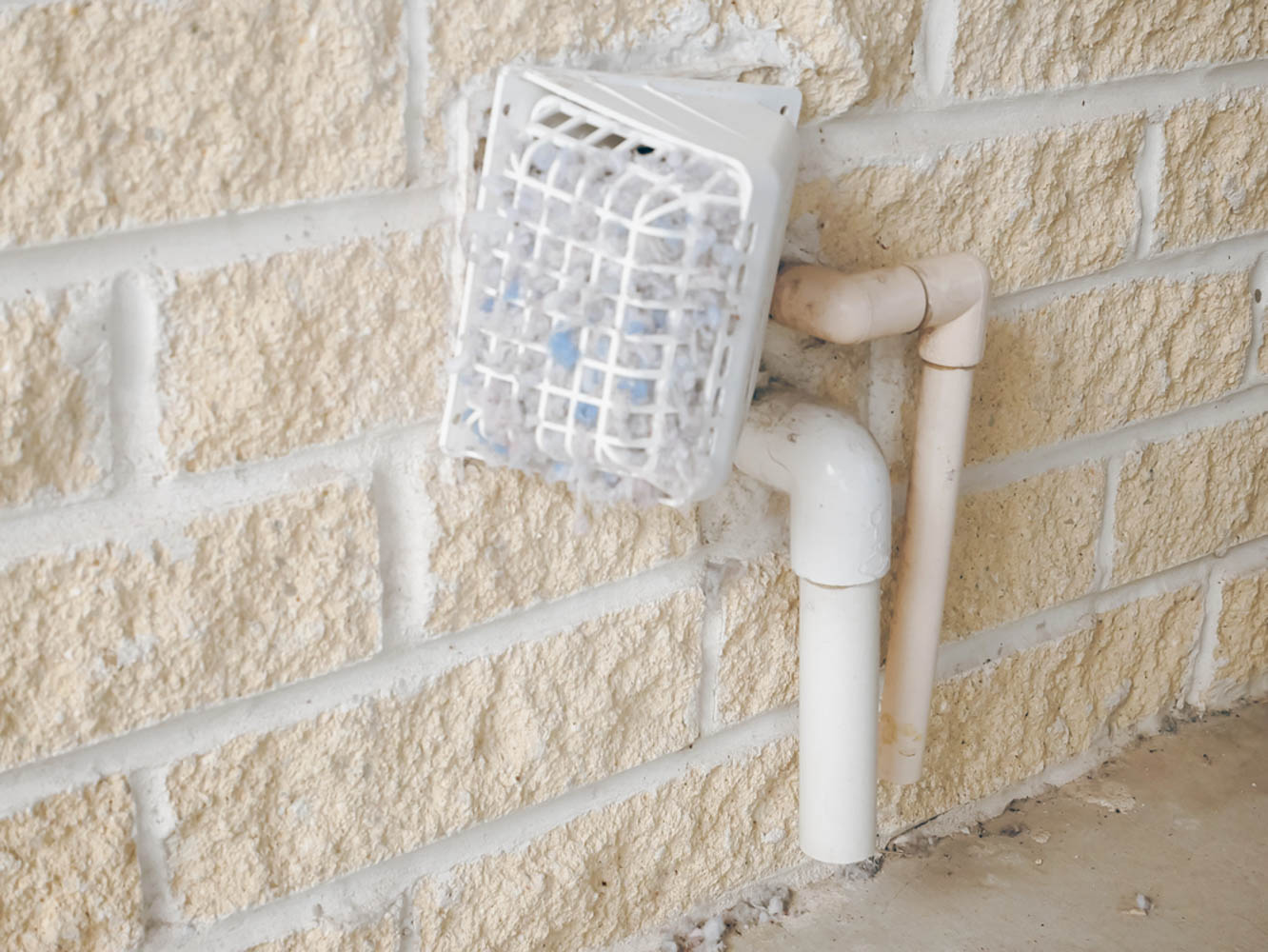
Homeowners often underestimate the hidden dangers of blocked exhaust systems, yet clogged dryer vent mold problems can quickly escalate into serious health and property concerns. Excess moisture trapped inside creates the perfect breeding ground for mould, and without proper upkeep, families in Toronto, Winnipeg, Mississauga, Brampton, or Calgary may face costly repairs and respiratory risks.
As a local home maintenance company, we regularly see how lint buildup, trapped humidity, and poor airflow create conditions for dryer vent mould growth. What begins as a simple laundry issue can gradually turn into a serious moisture and mold concern that affects both the structure of a house and the health of the people living inside.
Key risks include:
- Persistent dampness that encourages mould colonies.
- Warm, humid air trapped inside ducts instead of venting outdoors.
- Hidden growth in walls and ceilings that remains unnoticed until damage is advanced.
- Ongoing dryer vent moisture problems where excess humidity seeps into building materials.
Understanding these risks—and addressing them early—helps homeowners avoid costly remediation and protect indoor air quality.
How Clogged Dryer Vents Cause Mould in Homes
Many homeowners eventually ask the same question: can clogged dryer vents cause mold inside a home? The answer is yes. When lint buildup restricts airflow, the moisture produced during laundry cycles cannot escape properly. Instead, warm humid air remains trapped within the exhaust system and surrounding areas, creating conditions where mould can grow.
Often, the early warning signs appear before homeowners realize moisture is building up behind the walls. Common signs of a clogged dryer vent include clothes taking longer to dry, excess heat in the laundry room, musty odors near the appliance, visible lint around the exterior exhaust outlet, or condensation forming on nearby walls and windows. These symptoms usually indicate restricted airflow that allows humidity to linger inside the system.
Over time, this trapped humidity can spread beyond the laundry area and affect nearby walls, ceilings, and insulation. Because the issue often develops out of sight, mold may begin growing long before homeowners notice visible warning signs.
When airflow becomes restricted, several things start to happen within the system and the surrounding structure:
- Moisture accumulates inside the ducts
Warm, damp air remains trapped in the exhaust pathway, creating a humid environment where mould can grow. - Condensation forms in walls and ceilings
When moist air meets cooler surfaces, water droplets develop and soak nearby materials such as drywall and insulation. - Lint acts as an organic food source
Dust and lint particles hold moisture and provide nutrients that support fungal growth. - Air pressure pushes spores into indoor spaces
Restricted airflow can force contaminated air back toward the laundry room instead of directing it outdoors. - Hidden growth develops in enclosed areas
Mould often spreads within ducts or wall cavities before it becomes visible on surfaces.
In homes with longer exhaust pathways or limited ventilation, the risk becomes even greater because humid air stays trapped in the system longer.
Dryer Vent Humidity Issues and Indoor Air Quality
Persistent dryer vent humidity issues can influence more than just the laundry room. Moisture trapped in the exhaust system can gradually spread to nearby walls, ceilings, and insulation.
This can lead to several indoor air quality concerns, including:
- Musty odors circulating through the home
- Increased allergy symptoms for occupants
- Dark stains appearing on walls or ceilings
- Gradual damage to drywall and wood framing
- Greater risk of widespread mold contamination
In colder climates, temperature differences between warm indoor air and cooler outdoor surfaces can worsen condensation. Over time, repeated moisture exposure can lead to structural damage and larger mold problems if not addressed early.
For instance, homeowners in Toronto often experience seasonal humidity changes that increase condensation risks in laundry spaces. In colder regions like Winnipeg, temperature contrasts between indoor and outdoor air can cause moisture to accumulate inside exhaust ducts during winter months.
Prevent Mould in Dryer Vents with Regular Maintenance
The good news is that homeowners can prevent mould in dryer vents by combining simple maintenance habits with periodic professional inspections. Because laundry exhaust systems move large amounts of warm, humid air, keeping them clear of lint buildup is one of the most effective ways to reduce hidden moisture problems.
A few simple habits can significantly lower the chances of mold developing:
- Cleaning the lint trap after every laundry cycle
- Inspecting the exterior exhaust hood for lint buildup
- Checking ducts for blockages or crushed sections
- Ensuring the exhaust pathway vents properly outdoors
However, some areas of the system are difficult to reach without specialized tools. Long ducts, bends, and vertical runs can trap debris deep inside the pathway where standard household cleaning methods cannot reach.
This is why preventing mould growth with regular dryer vent maintenance often involves scheduling periodic professional inspections. Trained technicians can access the full system and address problems before they lead to mold.
During a service visit, professionals typically:
- Remove compacted lint from deep inside ductwork
- Identify airflow restrictions or disconnected sections
- Check for moisture buildup or early mold signs
- Ensure the exhaust pathway vents correctly outside
Routine maintenance not only protects your home from mould risks but also helps keep the laundry system operating safely and consistently.
When to Call Professional Dryer Vent Cleaning Services
Sometimes the warning signs are subtle, and homeowners may not realize there is a problem until moisture damage becomes noticeable.
This is when professional dryer vent cleaning services can help identify and resolve hidden issues within the system.
A trained technician can evaluate:
- The length and layout of the exhaust pathway
- Areas where lint tends to accumulate
- Potential condensation points inside the system
- Early signs of mould developing in enclosed spaces
Homeowners in growing communities like Mississauga often have longer duct routes in modern homes, which can increase the likelihood of lint buildup over time. Residents in Brampton sometimes contact service professionals after noticing musty odors or unusually damp laundry areas.
In cities like Calgary, temperature changes between indoor laundry rooms and outdoor air can also contribute to condensation inside exhaust pathways. Addressing these issues early helps prevent larger moisture problems later.
Protecting Your Home from Hidden Moisture
Laundry appliances are used frequently in most households, which means their exhaust systems handle large amounts of warm, humid air every week. Without proper maintenance, this moisture can gradually accumulate in areas that are difficult to see.
Taking steps to inspect and maintain the system can reduce humidity buildup, protect indoor air quality, and prevent structural damage caused by mold.
Ultimately, addressing hidden moisture problems early can save homeowners from costly repairs—and help stop clogged dryer vent mold issues before they spread.
Schedule a Professional Inspection
If you suspect airflow restrictions, lint buildup, or excess moisture around your laundry system, it may be time to have it inspected. Scheduling dryer vent cleaning services with a qualified technician can help protect your home from hidden moisture problems and mould growth. Contact our team today to schedule an inspection or book your appointment.


