
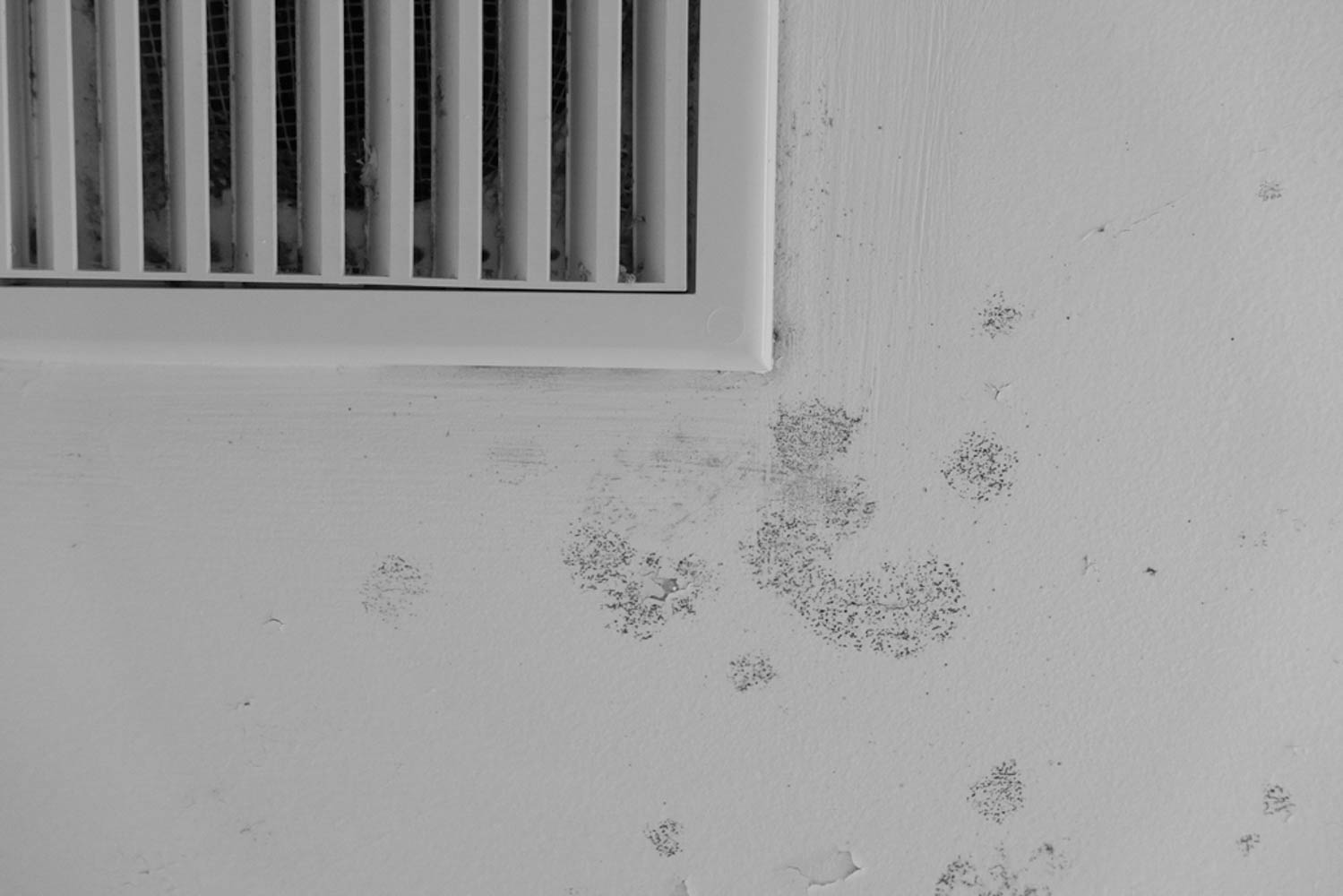
Most homeowners never realize that mold around dryer vents can begin developing long before visible stains or musty odours appear. At our local dryer exhaust company, we help homeowners across Toronto, Winnipeg, Mississauga, Edmonton, Brampton, and Calgary identify hidden moisture problems before they become expensive repairs. While laundry appliances are designed to remove warm, damp air from your home, any restriction, leak, or damaged exhaust pathway can create ideal conditions for mould growth inside walls, ceilings, and flooring.
Knowing where these hidden trouble spots are located can help you protect your family’s indoor air quality, reduce structural damage, and prevent costly restoration work.
Why Moisture Builds Up Near Laundry Exhaust Systems
A properly installed exhaust line removes warm, humid air outside the home. However, when airflow becomes restricted or moisture escapes before reaching the exterior, nearby building materials can remain damp for extended periods.
Common causes include:
- Lint accumulation reducing airflow
- Loose or disconnected duct joints
- Crushed or damaged exhaust tubing
- Poor exterior termination
- Excess indoor humidity during colder Canadian months
Over time, trapped moisture can soak into drywall, insulation, wood framing, and subfloor materials, creating the perfect environment for both mould and mold to spread unnoticed.
Hidden Areas Where Mold Commonly Develops
Many homeowners expect fungal growth to appear directly around the appliance. In reality, the biggest problems usually occur in concealed spaces where moisture lingers without being noticed. Because these areas remain hidden behind finished surfaces, mould can continue spreading for weeks or even months before visible signs appear. Understanding where excess moisture collects can help you identify problems earlier, reducing the risk of costly repairs and protecting your home’s indoor air quality.
Behind Interior Walls
One of the most overlooked locations is inside wall cavities surrounding the exhaust pathway. Even a small gap in the ductwork or a loose connection can allow warm, humid air to escape into enclosed spaces where moisture has nowhere to dissipate. Over time, drywall, insulation, and wooden framing can absorb this moisture, creating ideal conditions for mould growth.
Because the damage remains hidden, homeowners may not notice a problem until it has spread beyond the immediate area.
Signs to watch for include:
- Peeling or bubbling paint
- Soft or swollen drywall
- A persistent earthy or musty smell
- Discoloured patches near the laundry area
- Wallpaper beginning to lift away from the wall
If left unchecked, moisture trapped inside wall cavities can eventually weaken building materials and require more extensive restoration work than a simple repair.
In Ceilings and Attic Spaces: Dryer Vent Moisture Hotspots
In many two-storey homes, townhouses, and condominiums, the exhaust duct travels through ceiling cavities or attic spaces before exiting outdoors. As warm, moisture-laden air cools inside the duct, condensation can form along the interior walls of the pipe. If the duct is poorly insulated, damaged, or disconnected, that moisture may seep into surrounding drywall, insulation, or wooden roof framing.
Since ceilings are rarely inspected closely, these hidden moisture issues can continue developing long before they become visible inside the home.
Look for warning signs such as:
- Yellow or brown ceiling stains
- Peeling paint or textured ceilings
- Sagging drywall
- Damp or compressed attic insulation
- A lingering musty odour on upper floors
Addressing these issues early helps prevent moisture from spreading into larger sections of the ceiling or attic, where repairs can quickly become more expensive.
Under Flooring and Baseboards Near Laundry Rooms
The flooring around a laundry area is another location where hidden moisture can quietly accumulate. If humid air escapes from the exhaust system or condensation forms behind the appliance, nearby flooring materials may absorb that moisture over time. Wood subfloors, laminate, vinyl, and even baseboards can become damp without obvious surface damage.
Because moisture becomes trapped beneath finished flooring, mould may continue growing long before homeowners notice a problem.
Keep an eye out for:
- Warped or lifting flooring
- Soft or spongy spots underfoot
- Baseboards that appear swollen or discoloured
- Persistent musty odours that don’t disappear after cleaning
- Dark staining where flooring meets the wall
Regular inspections around the laundry area can help detect these hidden moisture problems before they spread beneath finished surfaces and affect larger sections of your home.
Health Risks Linked to Mould Around Dryer Vents
Hidden mould isn’t just a problem for your home’s structure—it can also affect the health of everyone living inside. When spores are released into the air, they may circulate throughout your home, reducing indoor air quality and aggravating existing respiratory conditions. Because mould growing behind walls, above ceilings, or beneath flooring can remain undetected for long periods, many homeowners don’t realize it’s contributing to ongoing health concerns.
Potential health effects include:
- Respiratory irritation: Airborne spores may irritate the nose, throat, and lungs, leading to coughing, sneezing, or congestion.
- Asthma and allergy flare-ups: People with asthma, seasonal allergies, or other respiratory conditions may experience more frequent or severe symptoms.
- Headaches and fatigue: Poor indoor air quality can contribute to ongoing headaches, fatigue, and general discomfort for some individuals.
- Skin and eye irritation: Exposure to mould particles may cause itchy eyes, watery eyes, skin irritation, or mild rashes in sensitive individuals.
Why Moisture Problems Shouldn’t Be Ignored
When excess humidity becomes trapped around an exhaust system, it creates the damp conditions that allow mold to grow. Left untreated, hidden moisture can spread beyond the immediate area, affecting additional building materials while continuing to impact the air inside your home.
Children, older adults, and individuals with weakened immune systems may be more sensitive to prolonged exposure, making early detection especially important. Scheduling routine inspections and addressing moisture problems promptly can help protect your home, preserve indoor air quality, and reduce the likelihood of more extensive repairs in the future.
How Dryer Vent Inspection Helps Detect Hidden Issues
Routine inspections do far more than improve airflow.
A professional evaluation can identify:
- Internal moisture buildup
- Damaged or disconnected ductwork
- Excess lint accumulation
- Condensation problems
- Early signs of mould growth
Early detection helps homeowners avoid major restoration costs while improving appliance efficiency and reducing unnecessary strain on the system.
Warning Signs You Should Never Ignore
Small changes around your laundry area can indicate a much larger hidden problem.
Pay attention if you notice:
- Musty smells after running the appliance
- Condensation on nearby walls
- Paint beginning to blister
- Increased indoor humidity
- Allergy symptoms becoming worse indoors
- Dark spots near trim or ceiling joints
If these warning signs persist, it’s worth arranging a professional inspection before moisture spreads deeper into surrounding building materials.
Preventing Lint Buildup and Moisture Problems
The best defence against hidden mould is prevention. Regular maintenance keeps humid air moving outside instead of allowing it to accumulate inside your home.
Helpful preventive steps include:
- Schedule routine exhaust maintenance.
- Replace damaged flexible ducting with rigid metal ductwork where appropriate.
- Ensure the exterior exhaust hood opens freely.
- Avoid crushing the duct behind the appliance.
- Check for disconnected joints after moving the machine.
- Keep the surrounding laundry area dry and well ventilated.
Professional maintenance also reduces the risk of overheating while helping your laundry equipment operate more efficiently.
Protect Your Home Before Hidden Moisture Spreads
Canadian homes experience dramatic seasonal temperature swings that can increase condensation inside laundry exhaust systems. During the colder months, warm, humid air can cool rapidly within the ductwork, creating the moisture conditions that allow mould to develop in hidden areas.
By recognizing the early warning signs and scheduling routine inspections, you can protect your home’s structure, improve indoor air quality, and avoid expensive repairs caused by hidden moisture damage. Whether the problem is behind your walls, above your ceiling, or beneath your flooring, identifying it early can save significant time and money.
Our experienced team proudly serves homeowners throughout Toronto, Winnipeg, Mississauga, Edmonton, Brampton, and Calgary. We provide thorough inspections, professional maintenance, and reliable airflow solutions designed to help prevent hidden moisture problems before they become major restoration projects.
Schedule Your Inspection Today
If you’ve noticed musty odours, excess humidity, or other warning signs around your laundry area, now is the ideal time to have your system professionally inspected. Contact our team today to schedule a service call or comprehensive inspection and let us help protect your home from mold around dryer vents.


