
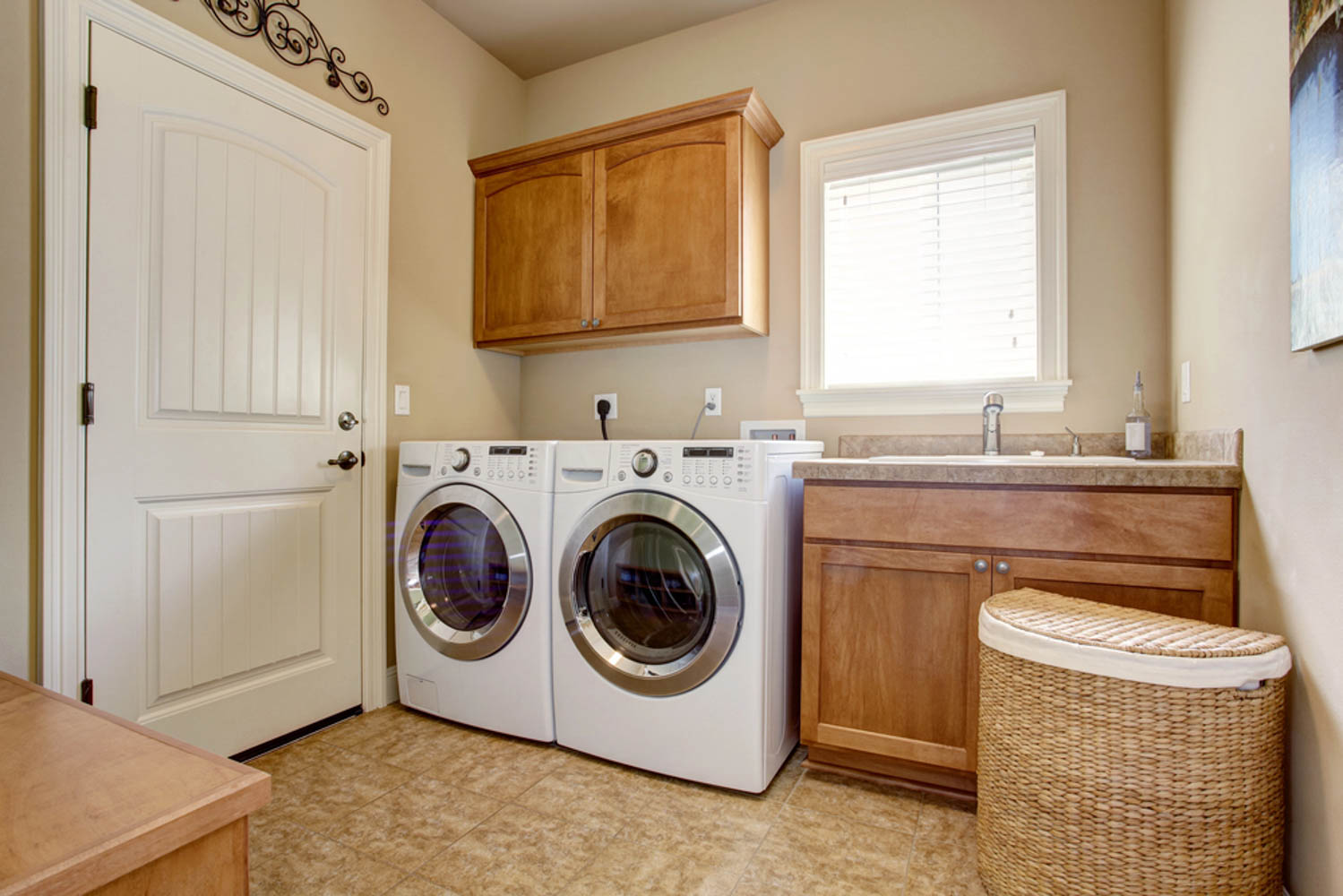
Maintenance of your laundry exhaust system is often overlooked, and understanding when to choose dryer vent sanitation vs cleaning can significantly improve home safety, energy efficiency, and appliance performance.
Many homeowners assume all service options are the same, but in reality, the difference between dryer vent cleaning and sanitation can affect everything from drying times to fire risk.
What’s the Difference Between Cleaning and Sanitation?
Cleaning focuses on removing lint buildup, dust, and physical blockages that restrict airflow inside the ductwork. This is the most common form of dryer vent maintenance services and is essential for restoring proper efficiency.
On the other hand, a dryer vent sanitation service goes beyond debris removal. It targets bacteria, odor-causing particles, and moisture-related contamination that can develop over time—especially in poorly ventilated or long-unused systems.
This is where dryer vent cleaning vs sanitation becomes important: cleaning restores airflow, while sanitation improves overall hygiene inside the system.
When Do You Need Cleaning?
A professional dryer vent cleaning service is usually needed when you notice:
- Clothes taking longer than usual to dry
- Excess lint around the appliance area
- Weak airflow from the exterior outlet
In Winnipeg, cleaning is especially important due to seasonal buildup caused by extreme temperature changes.
In many cases, homeowners searching for service options are actually experiencing airflow restriction rather than contamination issues.
When Is Sanitation Necessary?
A sanitation service is recommended when:
- There are persistent odors coming from the unit
- Moisture buildup is present inside ducting
- The system has not been maintained for a long period
For example, dryer vent sanitation Toronto is often requested in high-density housing where moisture and odor issues develop inside enclosed systems.
In other regions, deeper treatment may be required, such as in Mississauga, especially in older homes with long-term buildup.
Location-Based Considerations
These regional differences show that performance is not just about the system itself, but also how local climate, housing design, and usage patterns impact its condition over time.
Toronto
In Toronto, laundry exhaust systems are often affected by dense urban living conditions, especially in condominiums, high-rise apartments, and stacked townhouse layouts. These setups typically involve longer or shared duct pathways, which can lead to faster lint accumulation and restricted airflow.
Because of this, professional cleaning services are commonly required more frequently than in low-density housing. Many homeowners also notice issues only after symptoms appear, such as longer drying cycles or warm, humid laundry rooms.
In cases where moisture becomes trapped or odors develop in enclosed systems, residents often require sanitation-focused services to address deeper hygiene concerns beyond basic lint removal. Seasonal humidity shifts in the city can also contribute to condensation inside airflow lines, increasing the need for proactive maintenance rather than reactive service.
Winnipeg
Winnipeg’s extreme temperature fluctuations create unique challenges. During long winters, warm moist air from appliances can meet sub-zero exterior temperatures, leading to condensation buildup and partial freezing inside exhaust pathways.
This makes routine cleaning especially important for preventing airflow restrictions and ice-related blockages. Homes with longer exterior runs are particularly vulnerable to reduced performance during colder months.
Repeated condensation cycles can also encourage odor buildup and internal moisture retention, which is why some homeowners choose deeper maintenance services as part of seasonal upkeep. Households that rely heavily on laundry equipment during winter often experience reduced efficiency if systems are not regularly maintained.
Mississauga
Mississauga features a wide mix of detached homes, townhouses, and newer suburban developments, many of which have complex or extended airflow routing. These longer pathways naturally increase the risk of lint accumulation at multiple points.
As a result, professional cleaning is often required to restore proper airflow and prevent overheating issues in high-usage households.
Families with frequent laundry cycles may also experience lingering odors or reduced performance, which can lead to requests for more advanced maintenance when moisture builds up inside duct systems over time. Newer homes are not immune to efficiency issues caused by construction design or installation variations.
Edmonton
In Edmonton, the dry climate combined with long heating seasons places continuous demand on household laundry systems. While the air is generally dry, indoor environments can still accumulate fine dust particles that contribute to buildup inside airflow channels.
Routine cleaning is essential for maintaining consistent performance, especially during winter when usage increases and cycles become longer.
In some cases, dust accumulation and stale air circulation within enclosed HVAC environments may also affect indoor laundry areas, prompting homeowners to consider deeper maintenance when airflow efficiency declines or odors develop. Homes with basement setups are particularly prone to reduced ventilation efficiency if systems are not regularly serviced.
Brampton
Brampton has a high proportion of family households and multigenerational homes, which often results in frequent laundry usage throughout the day. This increased demand places significant strain on exhaust systems over time.
Because of this usage pattern, cleaning services are often required more frequently than in lower-use homes to maintain safe and efficient operation.
In shared living environments where multiple families or tenants use the same facilities, moisture retention and odor issues can develop inside airflow systems. In these cases, deeper maintenance may be required to improve indoor freshness and overall air quality. Safety remains a key concern due to higher cumulative usage rates.
Calgary
Calgary’s climate presents a combination of dry air, strong winds, and frequent temperature changes that can influence system performance. Exterior outlets are especially exposed to wind-driven debris or backflow depending on building orientation.
Routine cleaning is important for maintaining uninterrupted airflow, particularly in homes with rooftop or long exterior runs.
Seasonal freeze-thaw cycles can also introduce moisture fluctuations inside duct systems. When this occurs, homeowners may notice reduced efficiency or lingering odors, which may require additional maintenance attention. Proper upkeep helps ensure consistent performance despite variable weather conditions.
How Often Should You Schedule These Services?
The frequency of dryer vent maintenance depends on your household size, laundry habits, and local climate. Both cleaning and sanitation play different roles, so it’s important to understand when each is needed.
Dryer Vent Cleaning
- Standard recommendation: At least once a year for most households.
- Large families or heavy laundry use: Every 6–9 months, since more loads mean faster lint buildup.
- Rental properties or multi-unit buildings: More frequent cleaning is advised to reduce fire risks across shared systems.
- Signs you need cleaning sooner:
- Clothes take longer to dry
- Dryer feels unusually hot
- Burning smell during cycles
- Excess lint around the vent opening
Dryer Vent Sanitation
- Standard recommendation: Every 1–2 years, depending on your environment.
- Humid climates (Toronto, Mississauga, Brampton): Moisture increases the risk of mold, so sanitation may be needed annually.
- Cold climates (Winnipeg, Calgary, Edmonton): Condensation inside vents during winter can encourage bacterial growth—schedule sanitation every 12–18 months.
- Signs you need sanitation sooner:
- Musty odors from the dryer
- Allergy flare-ups or respiratory irritation
- Visible mold or mildew near the vent
- Pets in the home (pet hair can trap moisture and bacteria)
By following these timelines, you’ll not only reduce fire hazards but also improve indoor air quality—keeping your home safe, efficient, and healthy.
Which Service Is Right for Your Home?
Choosing between maintenance types depends on the condition of your system, level of usage, and whether you’re dealing with simple airflow restriction or deeper contamination concerns. In many homes, a basic service is enough to restore efficiency, but in cases involving moisture, odors, or long-term buildup, a more advanced approach may be required.
Choose dryer vent cleaning if your main issue is slow drying, lint buildup, or reduced airflow.
Choose dryer vent sanitation if you’re dealing with odors, moisture concerns, or long-term neglect of the system.
In many cases, the best solution is a combined service approach, especially for older systems or high-usage homes.
Regular maintenance not only improves efficiency—it also significantly reduces fire risk and extends the lifespan of your dryer. In the end, understanding when to choose dryer vent sanitation vs cleaning ensures you make the right decision for safety, performance, and long-term home protection.
Local Expertise You Can Trust
Our team provides professional dryer vent cleaning and sanitation services across major Canadian cities, including:
- Toronto
- Mississauga
- Brampton
- Calgary
- Edmonton
- Winnipeg
Whether you’re worried about fire hazards or indoor air quality, we tailor our services to meet your home’s needs. Book your dryer vent service today and enjoy a safer, healthier home.


