
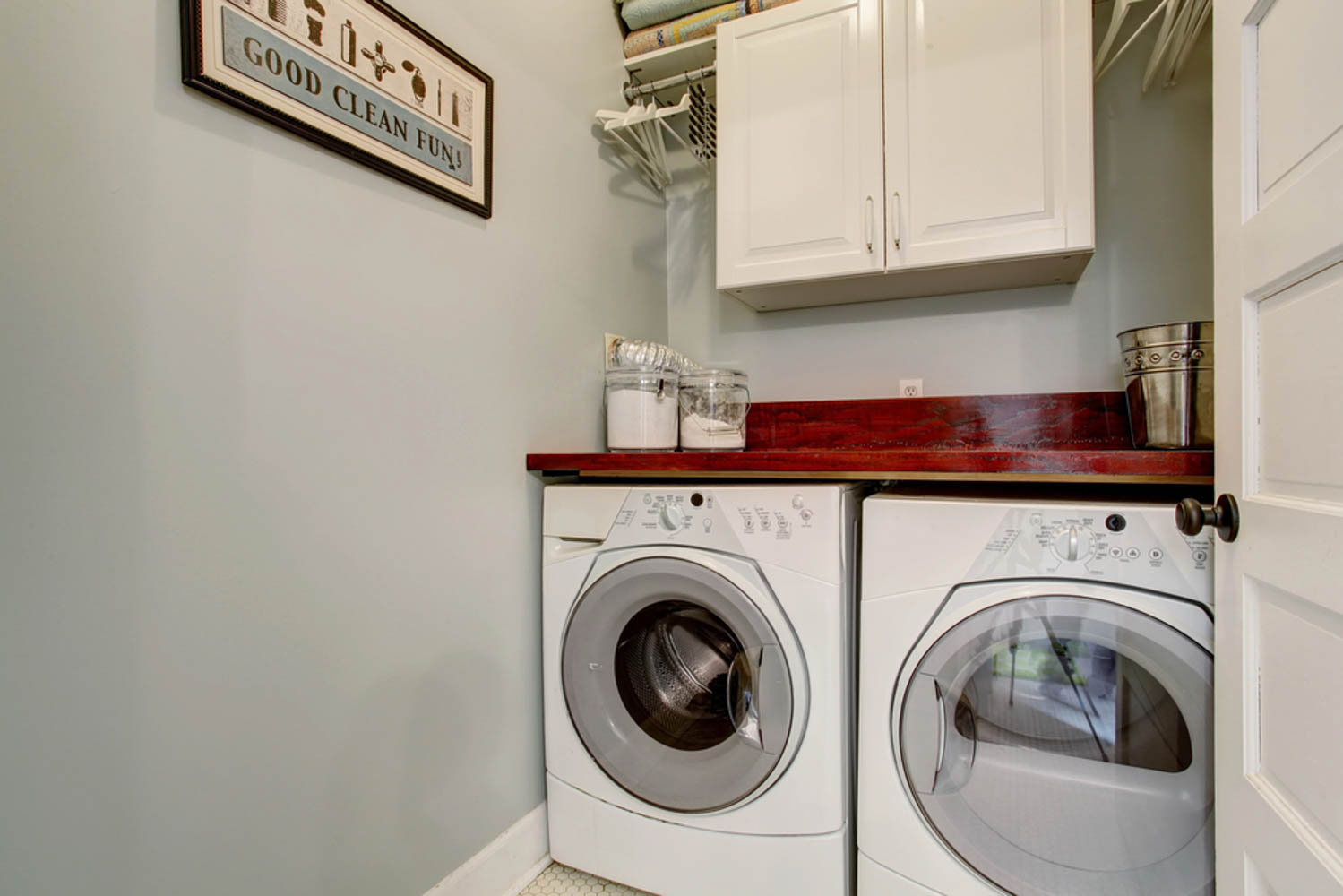
Understanding how dryer vent maintenance and insurance connects with residential risk planning is essential for property owners who want to protect both their home and long-term financial stability. When a laundry exhaust pathway is not properly maintained, hidden buildup can develop over time, creating safety concerns that may influence coverage decisions and claim evaluations.
These risks are often not immediately visible, which is why they are frequently reviewed during property risk assessments. In fact, this relationship between system upkeep and risk evaluation is increasingly considered because it directly affects preventable fire exposure and overall household safety.
Poor airflow can place additional strain on appliances, reduce energy efficiency, and increase the likelihood of overheating. Over time, these conditions may contribute to avoidable property damage, making routine care an important part of responsible home management and long-term protection planning.
Why Home Insurance Providers in Canada Monitor Airflow System Safety
Risk assessors in Canada evaluate how likely a property is to experience preventable loss events. One area that frequently influences risk scoring is the laundry exhaust pathway, where debris can gradually collect and restrict airflow.
Key risk indicators include:
- Heat buildup from restricted circulation
- Increased appliance strain over time
- Higher likelihood of structural damage
- Reduced alignment with safety expectations
These factors may influence property insurance requirements, especially during renewal assessments or post-incident investigations. When risk is considered unmanaged, coverage conditions may become more restrictive.
How Dryer Vent Issues Increase Fire Risk in Canadian Homes
One of the primary concerns for insurers is fire-related loss caused by preventable household conditions. When airflow becomes restricted, heat and residue accumulation can create unsafe operating environments.
Risk progression typically follows:
- Airflow restriction develops
- Internal temperature increases
- Flammable residue accumulates
This is why lint buildup fire risk is frequently referenced in safety assessments. In the event of a claim, insurers may evaluate whether reasonable preventive care was taken, which can directly affect home insurance claims for fire damage outcomes.
Even minor oversights can be interpreted as preventable negligence when no maintenance history exists.
Early Warning Signs of Airflow Problems in Residential Properties
Once the risk framework is understood, physical warning signs become easier to interpret. Insurers and inspectors often rely on these indicators to assess system condition during evaluations.
Common signs include:
- Drying cycles taking longer than normal
- Excess heat in laundry areas
- Burning or overheating odors
- Visible lint near exterior outlets
These symptoms suggest reduced airflow efficiency and may indicate increasing exposure to lint buildup fire risk. Addressing these early can help prevent escalation into issues that may impact home insurance claims for fire damage assessments.
How Fire Safety Inspections Affect Home Insurance Coverage in Canada
The Role of Fire Safety Inspections
Insurance providers in Canada may request documentation of routine safety evaluations during underwriting or claims review. A professional inspection confirms that household airflow systems are operating within acceptable safety standards.
During inspection, technicians typically verify:
- Air pathways are clear of lint and debris
- Airflow performance meets safety thresholds
- Equipment operates within manufacturer guidelines
Failure to provide inspection records may impact property insurance requirements, potentially leading to higher premiums or reduced coverage options. These records also support smoother claims processing by demonstrating responsible maintenance history.
Canadian Home Insurance Risk Assessments and Property Classification
Insurance companies use structured evaluations to determine policy pricing, coverage limits, and renewal eligibility. The condition of airflow systems can significantly influence these assessments.
Risk categories include:
- Low risk: Documented servicing and inspection records
- Moderate risk: Occasional upkeep without formal documentation
- High risk: Neglected systems with visible blockage or damage
Maintaining proper records helps position a property within a lower-risk category, which may support more favorable policy conditions and improved long-term stability.
Why Professional Dryer Vent Services Improve Insurance Eligibility
Hiring qualified technicians provides documented evidence that insurers often value during risk evaluation and policy review. Certified professionals contribute to stronger risk profiles through verified assessments.
They typically:
- Conduct detailed system inspections
- Provide written reports for insurance documentation
- Identify early safety concerns
- Offer recommendations aligned with long-term protection
These inspection records and findings often feed directly into how insurers categorize overall property risk during underwriting assessments.
This documentation may support more favorable insurance positioning and reduce uncertainty during claims related to home insurance claims for fire damage.
Insurance-Relevant Value of Documentation
From an insurer’s perspective, verified servicing demonstrates responsible property management. This can be especially important during policy renewal or claims evaluation.
Key advantages include:
- Clear proof of preventive maintenance
- Improved transparency during risk assessment
- Stronger documentation for claims processing
- Potential support for better premium positioning
Fire Prevention Tips for Canadian Homeowners to Reduce Insurance Risk
Preventing issues early is far more effective than addressing damage after it occurs.
Recommended prevention practices:
- Clean lint traps after each use
- Keep external vents unobstructed
- Avoid overloading appliances
- Monitor changes in drying time
- Schedule periodic professional evaluations
These habits support broader fire hazard prevention in homes and reduce unnecessary exposure to risk.
Financial Consequences of Neglecting Airflow Maintenance in Canada
Neglecting airflow system care can lead to financial consequences that extend well beyond simple repair costs. When buildup is left unaddressed, the resulting damage can escalate quickly, often turning a preventable issue into a costly property event that affects both safety and long-term value.
Potential impacts include:
- Higher premiums after claims or risk reassessments
- Reduced coverage options or stricter policy conditions
- Increased out-of-pocket repair and restoration costs
- Lower property resale value due to documented damage history
In many cases, preventable fire-related incidents linked to poor airflow are carefully reviewed during claim assessments. Before approving home insurance claims for fire damage, reviewers may consider whether reasonable preventive steps were taken to maintain safe operating conditions.
Because of this, consistent upkeep is not just a safety measure—it is also a financially strategic decision that helps protect both property value and long-term coverage stability.
Protect Your Home Coverage with Professional Dryer Vent Care Across Canada
Maintaining a safe and efficient household airflow system plays a key role in reducing risk exposure, supporting eligibility, and improving long-term property stability across Canadian homes. When considering dryer vent maintenance and insurance, homeowners can strengthen both safety and financial outcomes through consistent upkeep, documentation, and professional evaluation.
If you want to reduce fire risk and support your insurance standing, booking a professional inspection is a practical next step.
We are a leading dryer vent cleaning company serving Toronto, Winnipeg, Mississauga, Edmonton, Brampton, and Calgary. Contact us today to schedule an inspection or maintenance visit and help protect your home coverage with confidence.


