
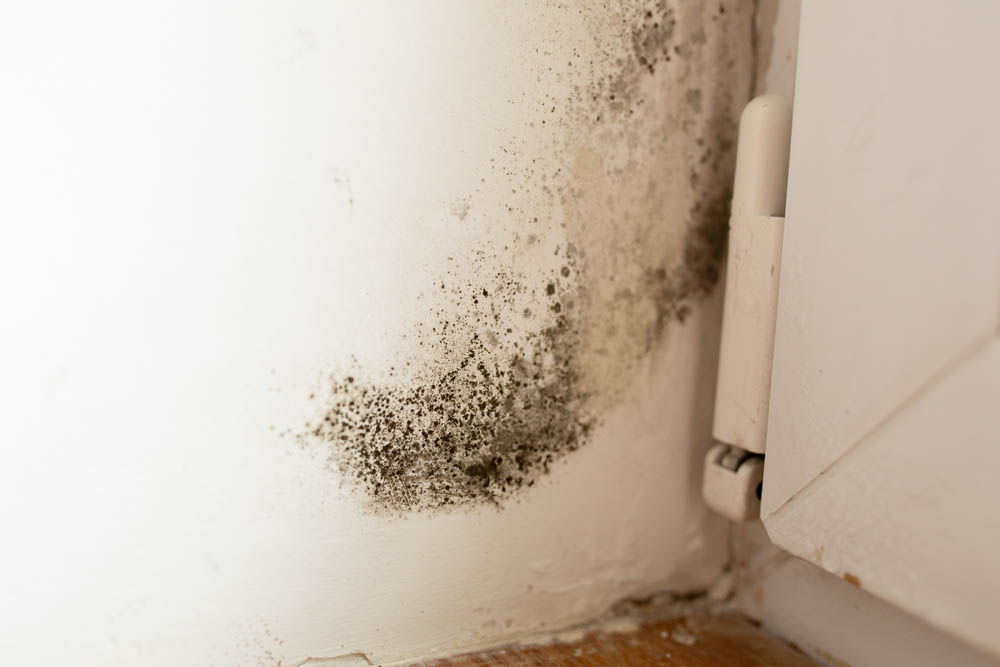
Across Canadian homes from Toronto to Calgary, subtle signs of poor home ventilation often go unnoticed until mould has already taken hold. As a local dryer vent service team working in Toronto, Winnipeg, Mississauga, Edmonton, Brampton, and Calgary, we see the same pattern in home after home: moisture quietly builds up behind walls, under floors, and inside laundry rooms long before anyone smells or sees a problem. By the time mold is visible, the underlying ventilation issue has usually existed for months.
This post breaks down what most homeowners overlook when it comes to mould, moisture, and airflow — and what you can do about it before a small issue becomes a costly one.
What Homeowners Often Miss About Mould and Moisture
Most people associate mould with obvious leaks — a burst pipe, a flooded basement, a roof that let in rain. But moisture problems are frequently far quieter than that. Here’s what tends to slip past even attentive homeowners:
- Warm, moist air trapped indoors from cooking, showering, and laundry, with nowhere to escape
- Dryer exhaust that isn’t fully venting outside, releasing lint-trapped humidity into walls or attic spaces instead
- Condensation on windows or pipes that’s treated as a cosmetic nuisance rather than an early warning sign
- Slightly musty smells in closets, basements, or laundry areas that get masked with air fresheners instead of investigated
- Ventilation fans that run but don’t actually exhaust air outdoors, sometimes due to disconnected or crushed ducting
None of these look dramatic on their own. Together, they create the exact humid, low-airflow environment mould needs to grow.
Common Signs Your Home’s Airflow May Be Falling Short
Because moisture damage builds gradually, it helps to know what to watch for before mold ever appears. Common indicators include:
- Peeling paint or bubbling drywall near bathrooms, kitchens, or laundry rooms
- A persistently damp or stuffy feeling in a specific room, even with heating or cooling running
- Rusty or corroded metal fixtures, screws, or vent covers
- Dark spots or discoloration along baseboards, window frames, or ceiling corners
- A dryer that takes noticeably longer than it used to for a full load
Homeowners who notice two or more of these at once are often dealing with restricted airflow somewhere in the home — and one of the most commonly overlooked culprits is the dryer venting system, since it moves a surprising volume of warm, humid air every single week.
How Humidity and Mold Growth Are Connected
Mould spores exist almost everywhere in the environment — indoors and out. What determines whether they turn into an active problem is moisture. Give spores a humid surface with limited airflow, and colonies can begin forming within 24 to 48 hours.
This is where ventilation becomes the deciding factor. A well-ventilated home constantly cycles humid air outward, keeping surfaces dry enough that mould can’t establish itself. A poorly ventilated one, even in a climate-controlled house, can trap enough moisture in isolated pockets — behind a dryer, inside a wall cavity, along an attic vent run — to create ideal mould conditions regardless of the season.
Basement Mold Causes That Vary by Region
Basement moisture issues aren’t identical from city to city, and this is something we notice directly through our work across different regions:
- Toronto and Mississauga: Older housing stock and semi-detached homes often have longer, more winding basement duct runs, increasing the chance of lint buildup and restricted exhaust flow.
- Winnipeg and Edmonton: Extreme winter cold can cause frost and ice to form at exterior vent hoods, blocking airflow and trapping moisture indoors during the coldest months.
- Brampton: Larger newer-build homes frequently have extended vent runs from basement laundry rooms to an exterior wall, which can reduce exhaust efficiency if not properly maintained.
- Calgary: Dry air for much of the year can mask early moisture warning signs, so problems sometimes go unnoticed until a chinook brings a sudden humidity swing.
Regardless of region, basement laundry areas remain one of the most common starting points for a mould issue, largely because they combine moisture-heavy appliances with the least visible ventilation.
Mold Prevention Tips You Can Start Today
The good news is that most moisture-related mould problems are preventable with a handful of habits:
- Run bathroom and kitchen exhaust fans during and after every shower or cooking session
- Check your dryer vent hood outside to confirm air (and lint) is flowing freely
- Have your dryer vent professionally cleaned at least once a year, or more often for longer duct runs
- Keep an eye out for slower drying times, which often signal a partially blocked vent
- Address condensation on windows or pipes promptly rather than wiping it away and moving on
These small, consistent steps support better moisture control in the home without requiring major renovations or added cost.
When to Call in a Professional
If you’re already noticing musty odours, visible discoloration, or a dryer that seems to be working harder than it should, it’s worth having your ventilation system inspected sooner rather than later. We’re not mould remediation specialists — if you suspect an active mould problem, a certified remediation professional should assess and treat it directly — but we can help rule out (or confirm) whether your dryer venting is contributing to the underlying moisture problem.
Ultimately, protecting your home’s indoor air quality comes down to catching small issues before they compound. Whether you’re in Toronto, Winnipeg, Mississauga, Edmonton, Brampton, or Calgary, staying ahead of the early signs of poor home ventilation is one of the simplest ways to keep both moisture and mould out of your home for good.
Don’t Wait for Mould to Show Up — Book Your Dryer Vent Inspection Today
If it’s been over a year since your dryer vent was last cleaned, now is the time to check. Our team proudly serves homeowners in Toronto, Winnipeg, Mississauga, Edmonton, Brampton, and Calgary with fast, thorough dryer vent inspections and cleanings that help stop moisture problems before they start. Schedule your service call today and breathe easier knowing your home is protected.


