
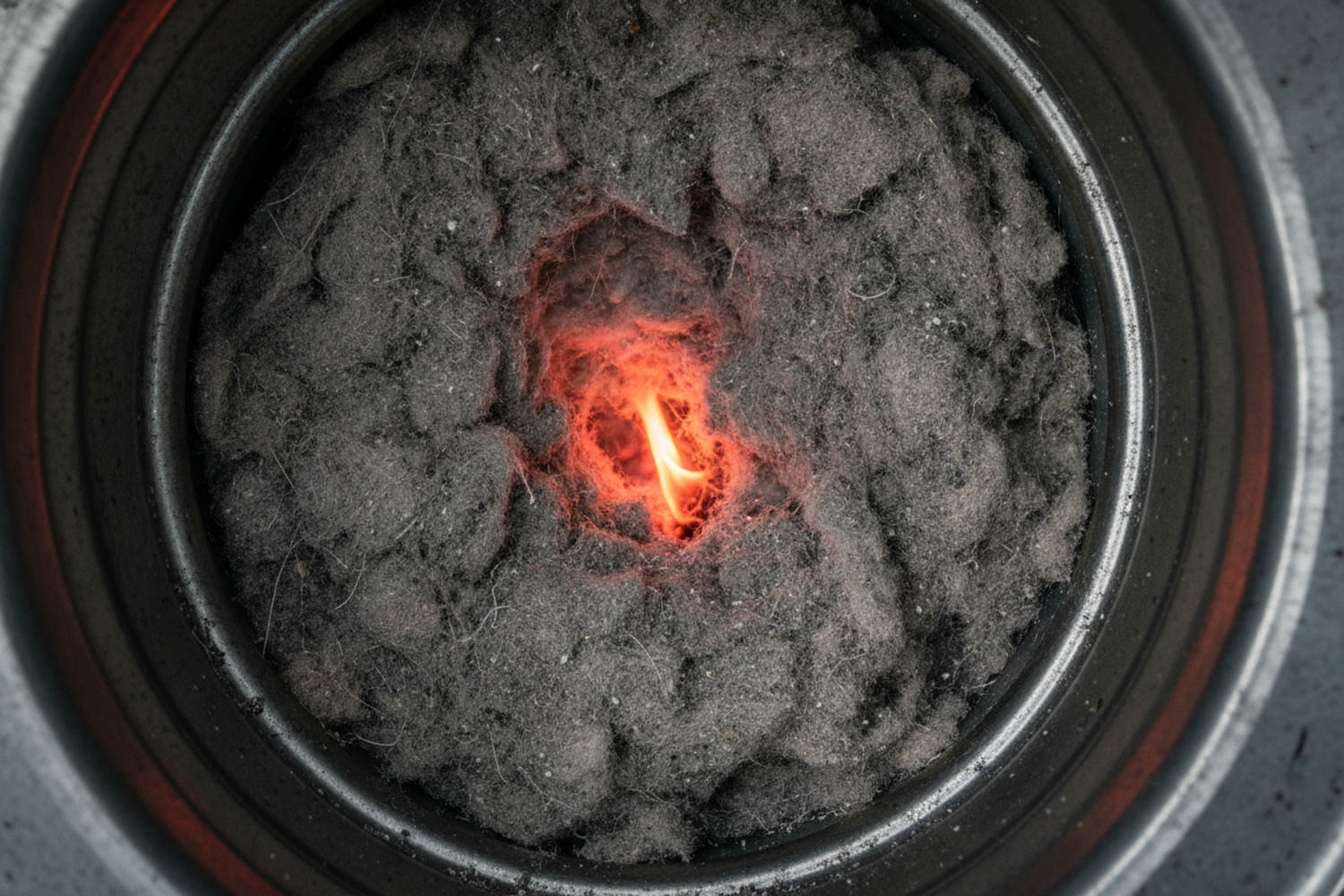
When a residential fire occurs, insurers don’t evaluate every case the same way. The source of ignition—whether from a laundry appliance system or an electrical fault—can significantly influence how a claim is reviewed, assessed, and ultimately paid out.
Understanding dryer vent fire risk Canada helps homeowners recognize how preventable conditions are viewed under home fire insurance coverage policies, especially when claims are being investigated for cause and responsibility.
Why Fire Origin Matters in Insurance Decisions
From an insurance perspective, the origin of a fire is one of the first and most important factors in determining liability and coverage response. Adjusters typically begin by identifying how the fire started before evaluating what was damaged. This distinction can shape everything from claim approval to settlement value.
In many cases, insurers will also assess whether the event was:
- Sudden and accidental, or
- The result of gradual wear, neglect, or insufficient maintenance
This is where documentation and upkeep history become important. For example, restricted airflow in a laundry system may be interpreted differently depending on whether reasonable maintenance was performed.
The same principle applies to electrical failures, where investigators may look at wiring age, installation quality, and compliance with safety standards before determining whether the loss was preventable.
All things considered, fire origin helps insurers classify risk, assign responsibility, and determine whether the circumstances align with policy expectations. This is why understanding the difference between appliance-related and electrical incidents is essential when reviewing how claims are evaluated and processed.
Appliance-Related Fires: Causes and Insurance Impact
Appliance-related incidents are among the most common household fire risks, particularly in laundry areas where heat buildup and airflow restriction can develop over time.
Common causes
- Lint accumulation in exhaust pathways
- Restricted airflow within the venting system
- Overheating caused by lack of upkeep
- Internal electrical faults within appliances
These situations are typically categorized under dryer fire insurance claims.
How insurers evaluate these incidents
Insurance providers frequently assess whether the fire could have been prevented through reasonable maintenance. If neglect is suspected, it may influence claim review and settlement decisions.
Typical outcomes
- Damage is typically localized to the point of origin
- Smoke contamination may spread further than the ignition point
- Restoration costs can still be significant depending on severity
In many cases, secondary smoke damage ends up contributing more to total claim value than the initial ignition point.
Electrical Fires: Causes and Insurance Impact
Electrical-related incidents differ because they tend to originate within building systems, making early detection more difficult.
Common causes
- Aging or deteriorating wiring systems
- Overloaded circuits or outlets
- Faulty installations or poor workmanship
- Defective electrical components or appliances
These cases are generally reviewed under electrical fire insurance claims.
Insurance investigation focus
Insurers typically examine:
- Age and condition of wiring
- Electrical inspection history
- Compliance with safety standards
If no negligence is found, these events are usually treated as sudden and accidental losses.
Damage patterns
- Structural damage within walls or ceilings
- Wider spread due to delayed detection
- Higher rebuilding and repair costs
Electrical fires commonly result in more extensive restoration work due to hidden structural involvement.
What Insurance Claims Tend to Reveal
Across appliance-related and electrical fire incidents, insurance claims consistently show how cause, documentation, and preventability influence outcomes.
Common patterns include:
- Electrical fires usually lead to higher rebuild costs due to hidden structural damage
- Appliance-related fires are more frequent but typically more contained when detected early
- Smoke and secondary damage typically account for a large portion of total claim costs, regardless of origin
Insurers also focus heavily on how the situation developed:
- Sudden and accidental events are generally assessed more favorably
- Gradual damage linked to maintenance issues may receive closer scrutiny
- Limited documentation can lead to deeper investigation before settlement
In some cases, findings related to upkeep and preventability may influence fire damage insurance payouts or contribute to outcomes reviewed under home insurance claim denial reasons.
Overall, claims tend to show that the fire itself is only part of the assessment—the conditions leading up to it often matter just as much.
How Insurers Assess Risk and Responsibility
Beyond identifying the fire’s origin, insurers evaluate how the property was maintained and whether the circumstances suggest preventable risk. This process helps determine both coverage eligibility and the level of financial responsibility assigned to the claim.
Key factors typically reviewed include:
- Age and condition of the property’s systems and structure
- Consistency of maintenance and upkeep over time
- Compliance with safety standards and local building codes
- History of previous claims or recurring issues
- Evidence of reasonable care taken before the incident
Insurers also consider whether the damage appears to be sudden and accidental or the result of gradual deterioration. This distinction can significantly influence how a claim is assessed under home maintenance insurance requirements and whether additional scrutiny is applied during review.
In practice, the quality of documentation—such as service records, inspection reports, or proof of upkeep—can help clarify responsibility and support a smoother claims process.
When Professional Support Is Recommended
While insurers typically do not require professional servicing, consistent upkeep can reduce preventable risk and support clearer documentation if a claim is ever filed. Routine professional assessment can help identify hidden airflow restrictions, installation issues, or early warning signs that may not be visible during standard household upkeep. In some cases, lack of reasonable maintenance may be referenced during home insurance claim denial reasons reviews.
Homeowners should consider scheduling professional support when performance changes suggest potential system strain or reduced airflow efficiency, such as:
- Drying cycles taking longer than usual
- Noticeable heat buildup during operation
- Excess lint appearing around the appliance or surrounding area
- More than 12 months since the last professional inspection or service
These indicators may suggest developing restrictions within the airflow system that increase fire risk and reduce overall efficiency.
Why Fire Cause and Maintenance Matter Most
Whether a fire originates from an appliance system or electrical infrastructure, insurers focus on one central question: could it have been prevented?
Although both appliance-related and electrical fire incidents can be severe, they are typically assessed through different lenses:
- Appliance-related incidents are more often connected to maintenance conditions and airflow efficiency
- Electrical incidents are more frequently linked to system integrity or structural issues
- In both cases, documentation and inspection history can significantly influence claim outcomes
This is why understanding dryer vent fire risk Canada, maintaining consistent upkeep, and keeping basic maintenance records all contribute to more predictable outcomes under insurance policies and claim assessments.
Schedule a Professional Inspection Now
If you want to reduce preventable fire risk and ensure your system is operating safely, scheduling a professional inspection can provide added peace of mind. A routine assessment can help identify hidden airflow restrictions, installation issues, or early warning signs before they become serious problems.
If you’re unsure about the condition of your system or haven’t had it checked in some time, it may be a good time to book an inspection or service visit.
Contact us today to schedule a professional assessment or request more information.


