
Homeowners across Canada often notice early performance issues like longer drying times, excess heat in the laundry area, or a faint burning smell during operation. These are common indicators that airflow inside the exhaust system is becoming restricted and may require a professional dryer vent cleaning to restore safe and efficient operation.
Once an inspection is completed and findings are reviewed, homeowners are given clear recommendations. If approved, technicians begin a structured, step-by-step process designed to fully restore airflow from the appliance to the exterior outlet.
Step 1: Preparing the Laundry Area for Safe Access
Every service begins with careful preparation to protect the home and ensure safe working conditions.
Technicians typically:
- Shift the appliance slightly forward
- Protect flooring and surrounding surfaces
- Identify duct entry and exit points
- Disconnect power safely
In tighter living spaces such as Toronto and Mississauga condos, preparation is especially important due to limited clearance around stacked or built-in laundry setups.
Step 2: System Disconnection and Layout Assessment
Once the area is secured, the exhaust line is disconnected and evaluated to understand the full system design.
Technicians assess:
- Total duct length
- Number of bends or elbows
- Material type (rigid metal vs flexible transition lines)
- Exterior termination condition
Homes in Brampton and Calgary often feature longer duct routes due to basement laundry layouts. These extended runs tend to create more points where lint buildup can develop over time, reducing airflow efficiency.
This step confirms the scope of the dryer vent cleaning process before internal work begins.
Step 3: Mechanical Agitation to Break Down Buildup
Specialized rotary brushes and compressed air tools are then used to break apart accumulated debris inside the ductwork.
This dryer duct cleaning stage focuses on:
- Breaking compacted lint layers
- Loosening debris from interior walls
- Restoring open airflow channels
In colder Canadian regions like Winnipeg and Edmonton, temperature fluctuations and long heating seasons can cause debris to compact more tightly, requiring deeper agitation to fully restore airflow pathways.
Step 4: High-Powered Extraction (Lint Removal Service)
After buildup is loosened, a high-powered vacuum system is used to extract all debris from the line.
This lint removal service ensures:
- Fine dust is fully captured
- No debris is pushed further into the system
- Airflow pathways are completely cleared
At this stage, airflow typically improves significantly, but full extraction ensures long-term efficiency and reduces the risk of rapid reaccumulation.
Step 5: Exterior Vent Inspection and Airflow Correction
Technicians then move to the exterior outlet to ensure unobstructed air release.
This includes:
- Cleaning vent covers and hoods
- Checking flapper door movement
- Removing debris, lint, or nesting material
Weather conditions across Canada can directly affect this step:
- Strong winds in Calgary can push dust into exterior openings
- Winnipeg winters may cause partial freezing or stiff vent flaps
- Humid conditions in parts of Ontario can contribute to moisture-related buildup
Clearing the exterior exit point is essential for restoring full system performance.
Step 6: Reassembly and Secure System Reconnection
Once internal and external pathways are cleared, the system is carefully reassembled.
Technicians:
- Reconnect duct joints securely
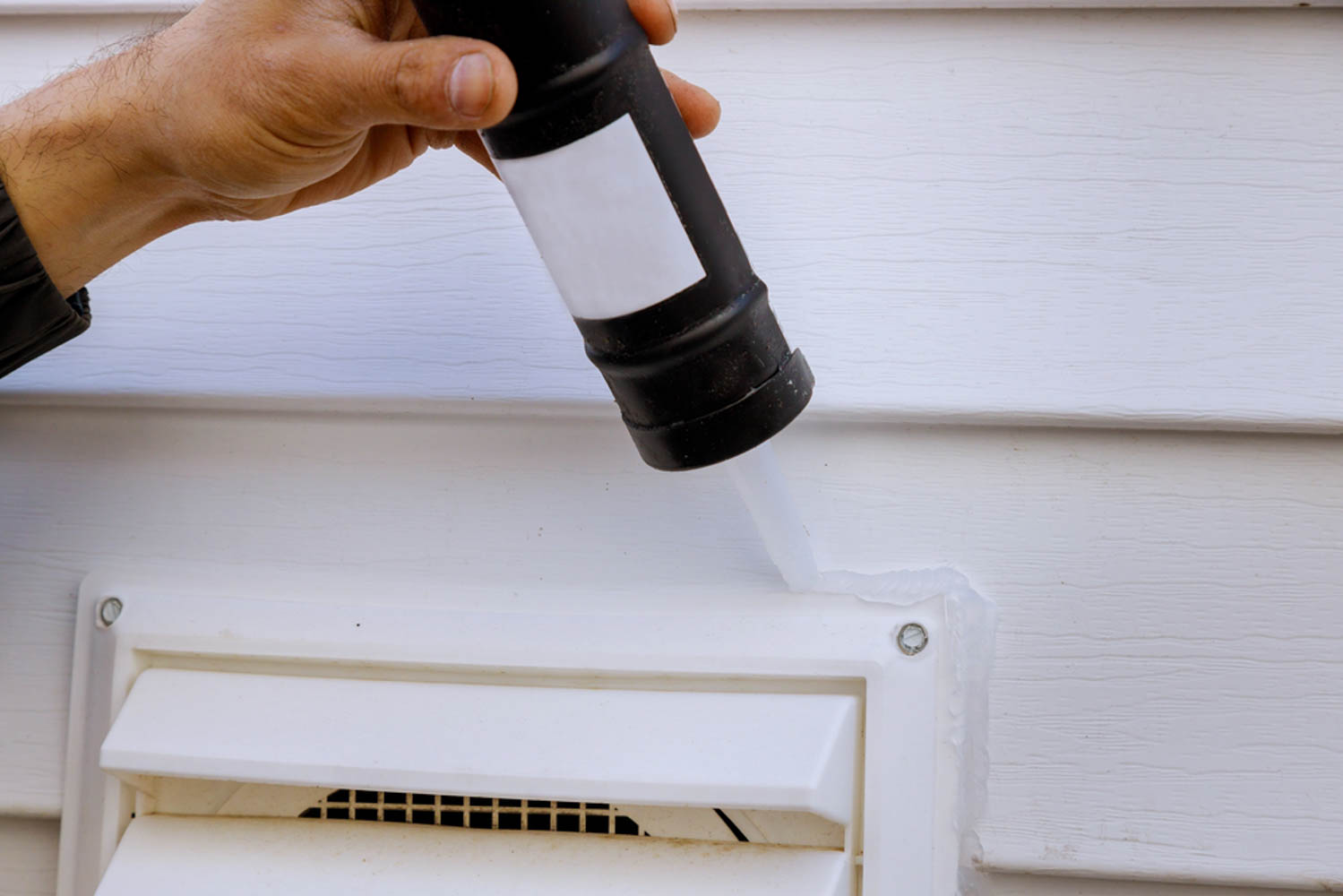
- Seal connection points to prevent air leakage
- Ensure proper alignment of the appliance
- Return the unit to its original position
Proper sealing is especially important in multi-unit buildings in Toronto and Mississauga, where long vertical duct runs can amplify efficiency loss if even minor leaks are present.
Step 7: Airflow Testing and Performance Verification
A full system test is then performed to confirm results.
Technicians evaluate:
- Airflow strength at the exterior outlet
- Cycle efficiency improvement
- Temperature normalization
- Reduction in drying time
This confirms that the dryer vent cleaning process has successfully restored proper airflow and system efficiency.
Step 8: Home Safety Review and Maintenance Guidance
Before completion, homeowners receive a home dryer safety inspection summary designed to help maintain long-term performance and reduce future issues.
Technicians typically explain:
- Recommended maintenance intervals based on usage
- Proper lint trap habits for everyday operation
- Fire risk prevention practices
- How to maintain consistent airflow efficiency
As part of this guidance, homeowners are also advised to watch for early caution signals that may indicate developing restrictions. These clogged dryer vent symptoms include:
- Clothes taking longer than usual to dry
- Laundry area becoming unusually warm or humid during operation
- A faint burning or musty smell during use
- Noticeable lint buildup behind or around the appliance
- Inconsistent drying performance between cycles
These signs don’t always indicate an immediate blockage, but they often suggest that airflow resistance is gradually increasing and should be addressed before it impacts performance.
In Canadian homes—particularly in colder climates like Winnipeg and Edmonton—these warning signs may appear sooner due to heavier seasonal appliance use. In urban environments such as Toronto and Mississauga, longer duct routing and compact installations can also contribute to earlier airflow decline if maintenance is delayed.
Why Professional Service Matters in Canada
A professional dryer vent cleaning is more than routine maintenance—it restores full airflow efficiency from the appliance to the exterior outlet, improving both safety and performance.
Key benefits include:
- Faster drying cycles
- Lower energy usage
- Reduced fire risk
- Less strain on appliance components
- Improved long-term reliability
Across cities like Toronto, Winnipeg, Mississauga, Edmonton, Brampton, and Calgary, differences in housing design and climate conditions affect how quickly buildup forms and how complex systems become over time. This makes professional servicing especially important for maintaining consistent performance year-round.
When all steps are completed—from mechanical agitation and debris removal to exterior airflow correction and performance testing—the goal is simple: restore safe, efficient operation and help prevent future issues.
If your system has started showing early warning signs such as longer drying times, excess heat, or inconsistent performance, it may already be working harder than it should. In many cases, these issues develop gradually and go unnoticed until efficiency drops significantly.
That’s why routine inspection and maintenance are so important, especially in Canadian homes where seasonal conditions and duct layouts can accelerate buildup.
Ready to Book a Service?
If you’re noticing performance issues—or it’s simply been a while since your last inspection—now is a good time to have your system checked.
Our team provides professional dryer vent cleaning services across Toronto, Winnipeg, Mississauga, Edmonton, Brampton, and Calgary, with clear recommendations and reliable, step-by-step service from inspection to completion.
You can:
- Call to schedule a visit at your convenience
- Book an inspection online in minutes
- Get a clear assessment before any work begins
Fast response, transparent service, and results focused on safety, efficiency, and peace of mind.


