
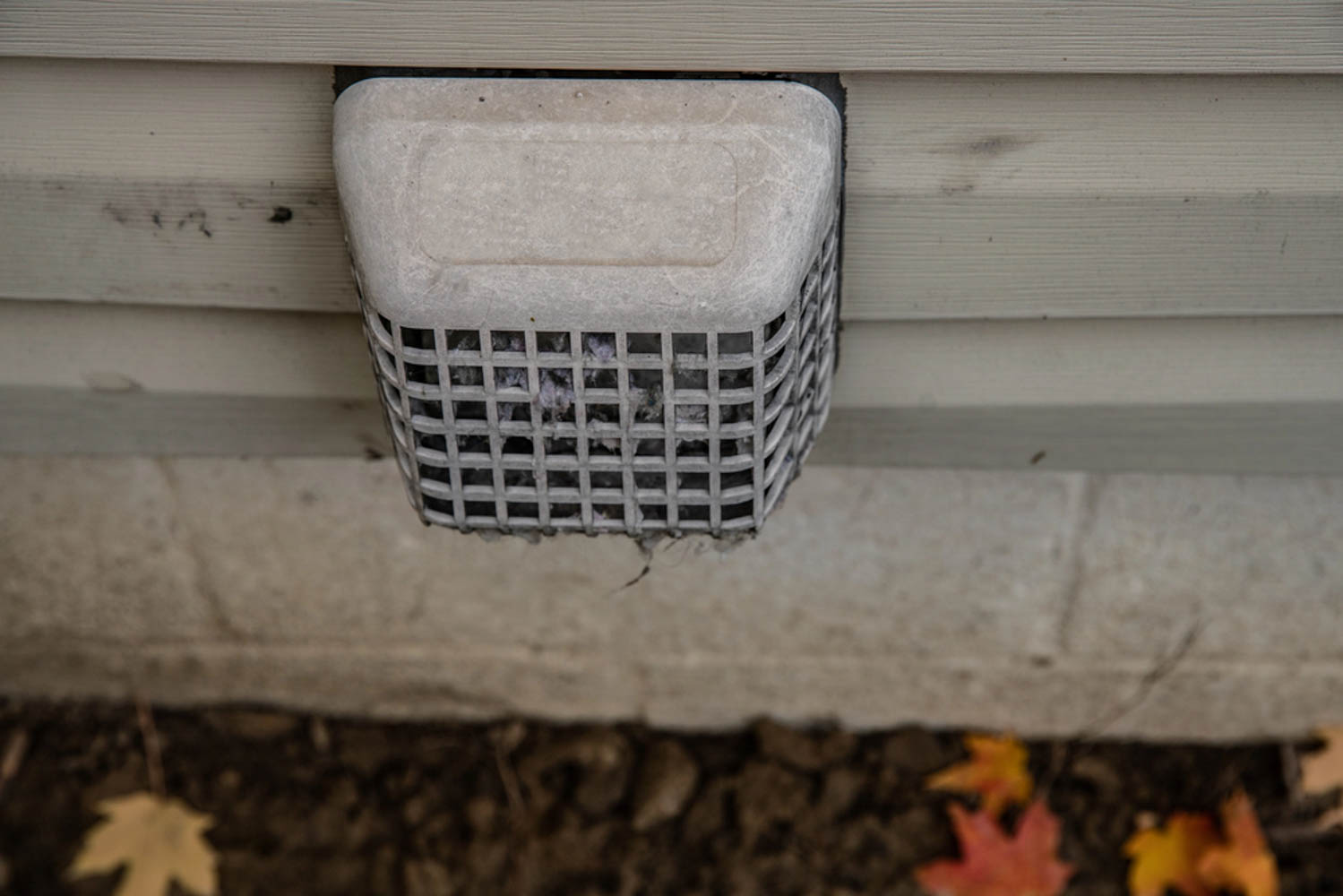
In many Canadian households, dryer vent fire hazard prevention is frequently overlooked because the laundry appliance runs frequently in the background without much attention, even though it plays a critical role in home safety.
At our company serving Toronto, Mississauga, Brampton, Winnipeg, Edmonton, and Calgary, we regularly see the same hidden problem behind performance issues and safety risks. It develops slowly, without warning, and usually goes unnoticed until symptoms begin to appear.
Understanding this process is the foundation of dryer safety and long-term home protection.
How the Hidden Buildup Begins
Every drying cycle releases tiny fibers from clothing. The lint trap captures some of this material, but not all of it.
The remaining particles travel deeper into the airflow pathway and begin to settle in:
- Bends and corners of ductwork
- Long or extended airflow runs
- Narrow or restricted sections
- Connection joints where airflow slows
Over time, these fibers accumulate layer by layer.
At first, the system continued to work normally. But as buildup increases, airflow becomes restricted. Moist air lingers longer, and internal temperatures begin to rise.
This is the quiet beginning of a developing risk inside many Canadian homes.
Early Performance Changes Are Usually the First Clue
Before safety concerns become obvious, homeowners typically notice small performance changes.
When airflow becomes restricted, the system struggles to move warm, moist air efficiently. This leads to early signs such as:
- Longer drying cycles
- Multiple cycles needed for one load
- Increased energy usage
- Warm or humid laundry room conditions
- Reduced drying consistency
These changes are typically the first sign of a clothes dryer not drying properly.
At this stage, the issue may feel minor. However, airflow resistance is already forming inside the system, and buildup continues to develop quietly in the background.
How Fire Risk Develops Inside the System
The risk does not appear suddenly. It develops through a gradual process:
- Fabric fibers are released during normal use
- Some lint bypasses the filter
- Particles begin collecting in restricted areas
- Airflow becomes progressively blocked
- Heat builds due to reduced ventilation
- Flammable material reaches ignition conditions. This is why home fire safety Canada recommendations emphasize regular inspection. The danger builds slowly and is often hidden deep within the duct system.
Once airflow is significantly restricted, heat cannot escape properly. Instead, it accumulates inside the system, increasing risk over time.
Why Heat and Blockage Become Dangerous Together
As airflow decreases, the appliance must work harder to push air through the system.
This creates a cycle:
- Reduced airflow
- Increased internal heat
- Greater strain on the system
- Faster accumulation of dry debris
The most important risk factor is the combination of heat and compacted fibers. These materials become highly flammable when exposed to sustained high temperatures.
Ignition rarely happens at the appliance itself. It typically occurs deep inside the ductwork where:
- Airflow is weakest
- Heat is trapped
- Buildup is densest
By the time a problem is noticeable, conditions may already be unsafe.
Warning Signs That Also Indicate Efficiency Loss
Before any serious risk develops, the system usually shows early warning signs. These reflect both performance decline and airflow restriction at the same time.
Homeowners commonly notice:
- Longer drying times than usual
- Clothing not fully drying in one cycle
- Higher energy use per load
- Warm or humid air in the laundry area
- Burning or overheated smell during operation
- Lint buildup near the exterior outlet or appliance
- Cycles ending before completion
At first, these changes are often dismissed as normal wear or appliance aging. However, they usually point to restricted airflow inside the system.
When air cannot move freely, efficiency drops and heat begins to build internally.
This is why a clothes dryer not drying properly should always be taken seriously. It is often the earliest visible sign that internal restriction is developing.
Why Canadian Homes Are at Higher Risk
Homes across Canada experience conditions that increase the likelihood of buildup.
In colder cities like Winnipeg and Edmonton:
- Appliances are used more frequently during long winters
- Higher usage increases accumulation rates
In urban areas like Toronto, Mississauga, and Brampton:
- Longer duct systems are common
- More bends and extended airflow routes trap debris
In newer cities like Calgary:
- Compact layouts can restrict airflow
- Installation design can influence buildup speed
Across all regions, usage patterns and structural design both contribute to increased maintenance needs.
This is why regular dryer vent maintenance services are important for long-term safety and efficiency.
Why Surface Cleaning Is Not Enough
Many homeowners assume that cleaning the lint trap is sufficient. While important, it only addresses the most visible part of the system.
Most buildup forms deeper inside the airflow pathway where:
- Airflow slows naturally
- Debris becomes compacted
- Access is limited
This is why internal inspection matters.
A professional vent cleaning service helps restore proper airflow by:
- Removing compacted internal buildup
- Clearing hidden airflow routes
- Improving system efficiency
- Reducing heat buildup risk
This level of service addresses issues that cannot be reached through basic maintenance alone.
Why Professional Inspection Matters
In homes we service across Toronto, Mississauga, Brampton, Winnipeg, Edmonton, and Calgary, internal buildup is often more advanced than homeowners expect.
What appears to be a minor airflow issue is frequently a deeper restriction that has developed over time.
Professional inspection helps identify:
- Hidden blockages inside ductwork
- Reduced airflow efficiency
- Early safety risks
- Structural design issues contributing to buildup
Routine servicing ensures problems are addressed before they escalate.
Prevention Is Always Better Than Repair
Airflow-related fire risks do not happen suddenly. They develop gradually through repeated cycles of heat, restriction, and unnoticed buildup.
The most effective approach to dryer vent fire hazard prevention is simple:
- Pay attention to early performance changes
- Do not ignore warning signs
- Schedule regular professional inspection
If you’ve noticed longer drying times or any signs of restricted airflow, our team is here to help—feel free to call us or book a professional inspection whenever it’s convenient, and we’ll take care of the rest.


