
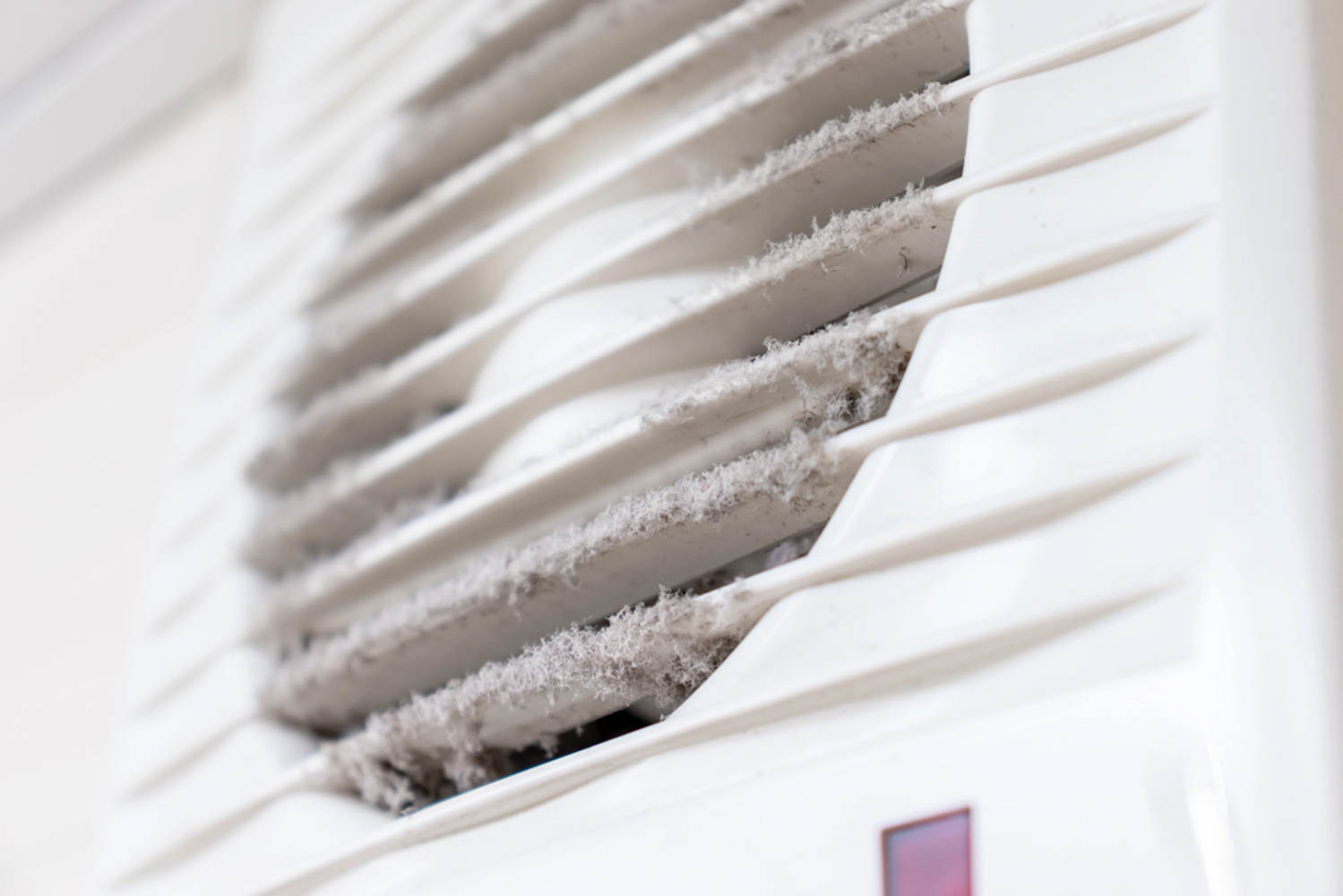
Homeowners often overlook the hidden dangers inside their laundry rooms. While lint buildup is commonly associated with fire hazards, few stop to ask: can dirty dryer vents make you sick? The answer is yes—when airflow is blocked, contaminants like dust, mold spores, and bacteria can circulate indoors. This means dirty dryer vents don’t just threaten your appliances; they may also be silently impacting the air you breathe and your family’s overall health.
Dryer Vent Health Risks: More Than Just Fire Concerns
Most people know that clogged ducts can spark fires, but the dryer vent health risks are equally serious. Poorly maintained systems can compromise your well‑being in subtle ways:
- Respiratory irritation: Dust and lint particles re‑enter the home, irritating lungs and sinuses.
- Allergy flare‑ups: Circulating allergens worsen seasonal allergies or asthma.
- Headaches and fatigue: Poor ventilation reduces oxygen flow, leaving indoor air stale.
Think of it this way: every time you run a load of laundry, you’re not just drying clothes—you’re influencing the air quality your family breathes.
Mold in Dryer Vents: A Hidden Threat
Moisture trapped inside ducts creates the perfect breeding ground for mold. Once spores develop, they spread quickly through the ventilation system. Mold in dryer vents can cause:
- Musty odors that linger in laundry rooms and nearby spaces.
- Visible patches of black or green mold around vent openings.
- Health symptoms such as coughing, itchy eyes, or skin irritation.
Unchecked mold growth doesn’t just affect health—it can damage walls, ceilings, and insulation. Addressing it early prevents costly repairs and keeps your home safe.
Indoor Air Quality and Your Laundry Routine
Your laundry system plays a surprisingly large role in indoor air quality. When ducts are blocked, pollutants circulate instead of being expelled outdoors. This can lead to:
- Dust buildup in living areas, making cleaning more difficult.
- Bacteria exposure, especially in damp environments.
- Reduced comfort, particularly for children, seniors, or anyone with compromised immunity.
Improving air quality isn’t just about HVAC filters—it starts with every vent in your home. A clean system ensures fresh airflow and healthier living spaces.
Dryer Vent Safety: Protecting Your Family
Health risks are only part of the equation. Dryer vent safety is critical for protecting your household from emergencies. A clogged system can:
- Cause appliances to overheat, shortening their lifespan.
- Increase energy bills due to inefficient airflow.
- Spark fires when trapped lint ignites under high heat.
Professional dryer vent cleaning services emphasize safety alongside health. Regular maintenance ensures your laundry routine is efficient, economical, and secure.
Dryer Vent Hazards You Shouldn’t Ignore
Neglecting vent care introduces multiple dryer vent hazards that compound over time:
- Fire outbreaks from lint ignition.
- Mold infestations spreading through walls and ceilings.
- Respiratory irritation from dust circulation.
- Structural damage caused by moisture buildup.
Each hazard is preventable with proactive cleaning. Investing in maintenance today saves money, protects your property, and safeguards your family’s health.
How Often Should Clothes Dryer Exhaust Systems Be Cleaned in Canadian Homes
The frequency of maintenance depends on household usage, system length, and local climate conditions. In Canadian homes, regional weather patterns and housing styles can directly influence how quickly airflow restrictions develop.
General guidelines:
- Every 12 months for average households.
- Every 6–9 months for high‑usage homes or larger families.
- More frequently if pets are present or multiple loads are done daily.
- Seasonal checks in colder regions where appliances run more often.
Regional considerations across Canadian cities:
- Toronto & Mississauga: High‑density housing and tightly insulated buildings can trap moisture, reducing airflow efficiency.
- Winnipeg & Edmonton: Longer, colder winters lead to heavier appliance use, increasing lint accumulation rates.
- Brampton: Many newer residential builds use longer or more complex vent routing, requiring more frequent inspection.
- Calgary: Dry climate combined with seasonal temperature swings can still lead to buildup, especially in busy households.
Additional factors that influence cleaning frequency:
- Longer or more complex exhaust routes increase blockage risk.
- Shared or stacked laundry setups may reduce airflow efficiency.
- Heavy‑usage households accumulate lint faster regardless of location.
Regular inspection ensures the system continues to operate efficiently while reducing unnecessary strain on household appliances.
Practical Tips for Homeowners
Between professional visits, homeowners can take simple steps to minimize risks and keep their laundry systems functioning safely. These proactive measures don’t replace expert cleaning, but they do help reduce buildup and improve household air quality:
- Empty the lint trap after every load to prevent excess particles from circulating.
- Inspect exterior vent covers regularly for blockages like leaves, dirt, or even small animals nesting.
- Avoid overloading the dryer, which produces more lint and strains the system.
- Check for unusual odors or humidity around the laundry area—these can signal mold or restricted airflow.
- Schedule annual inspections to catch problems before they escalate.
By adopting these habits, you create a healthier environment and extend the life of your appliances. Think of them as everyday safeguards that complement professional maintenance.
Why Professional Services Matter
Even with consistent upkeep, household systems can develop hidden airflow restrictions that are difficult to detect without specialized tools and expertise. While basic maintenance helps reduce surface buildup, deeper blockages and internal inefficiencies often remain unnoticed until performance begins to decline.
This is where professional support becomes essential. A thorough inspection and cleaning process addresses the entire ventilation pathway, ensuring the system operates safely and efficiently.
Key benefits of professional servicing include:
- Full-system inspection to detect hidden buildup and moisture pockets.
- Improved drying efficiency and reduced energy waste.
- Lower risk of overheating and potential fire hazards.
- Better indoor air quality with fewer airborne irritants.
- Extended lifespan of household appliances, saving money long-term.
Regular professional maintenance is a practical way to prevent avoidable issues caused by dirty dryer vents, complementing the everyday steps homeowners can take on their own.
Schedule Your Dryer Vent Inspection Today
Don’t wait until slow drying times, higher energy bills, or safety concerns become a problem. Regular maintenance helps keep your home safer, your air cleaner, and your appliance running efficiently.
If you’re in Toronto, Winnipeg, Mississauga, Edmonton, Brampton, or Calgary, book your inspection today and we’ll come directly to your home to assess and service your system at your convenience.


