
Many Canadian homeowners are unaware that a dryer vent fire risk can gradually develop inside a neglected laundry exhaust system. While attention is often directed toward maintaining major appliances, the vent pathway that removes heat, moisture, and lint is frequently overlooked until performance or safety issues arise.
Early warning signs often appear long before a serious problem develops. Slower drying cycles, unusual odors, excess heat in the laundry area, and visible lint buildup are all indicators that the exhaust system is struggling to function properly.
Recognizing these warning signs is an important part of dryer fire prevention and can help homeowners address problems before they escalate into serious safety hazards.
Here are the top 10 warning signs that your laundry exhaust system may require professional attention.
1. Clothes Take Longer Than Normal to Dry
One of the earliest indicators of a problem is extended drying times.
If a load that previously dried in 40 minutes now takes significantly longer, restricted airflow is often the cause. A buildup inside the exhaust pathway prevents moist air from escaping efficiently.
Common signs include:
- Clothes still damp after a full cycle
- Needing multiple cycles to dry the same load
- Hot clothes but still wet at the end of drying
- Noticeably longer drying times over several weeks
A restricted airflow system is one of the most common early indicators of a developing safety issue.
2. The Appliance Feels Extremely Hot
It’s normal for a laundry appliance to become warm during operation, but excessive heat is a warning sign.
When airflow is restricted, heat becomes trapped inside the system, increasing internal temperature.
Watch for:
- Exterior panels that feel unusually hot
- Overheated clothing immediately after a cycle
- A machine that feels hotter than usual after light loads
- Heat lingering in the laundry room after use
Persistent overheating may indicate airflow restriction inside the system.
3. A Burning Smell During Operation
A burning smell is one of the most serious warning signs and should never be ignored.
Lint buildup inside the exhaust pathway can overheat and create a strong odor during operation.
Possible indicators:
- Sharp burning smell during or after cycles
- Odor that becomes stronger with heavier loads
- Smell near the back of the appliance or wall connection
- Lingering scent even after the machine is turned off
If this occurs, a dryer vent inspection should be scheduled immediately.
4. Excessive Lint Around the Machine
While lint in the lint trap is normal, visible buildup outside the trap is not.
This can indicate that airflow is pushing debris back into the room instead of fully exhausting it outdoors.
Look for:
- Lint collecting behind the appliance
- Debris around the wall connection
- Fibers accumulating on flooring or nearby surfaces
- Dust buildup near the exhaust outlet
This is often a sign that maintenance is overdue.
5. The Laundry Room Feels Hot and Humid
The ventilation system is designed to remove warm, moist air from the home efficiently.
When airflow is restricted, that moisture remains indoors.
Signs include:
- Noticeable humidity increase during cycles
- Warm, stuffy laundry room conditions
- Condensation on nearby walls or surfaces
- Lingering damp air after use
Poor airflow can affect both comfort and indoor air quality.
6. The Exterior Vent Hood Opens Poorly
The exterior exhaust outlet provides an easy way to assess system performance.
When operating correctly, the flap should open fully and allow strong airflow.
Warning signs include:
- Flap barely opening during operation
- Weak or inconsistent airflow from the outlet
- Visible debris or lint around the hood
- Air that feels “weak” compared to normal
A restricted outlet often points to internal blockage.
7. Increased Energy Bills
Restricted airflow forces the appliance to work harder and run longer cycles.
Over time, this leads to increased energy usage.
Homeowners may notice:
- Higher electricity bills without lifestyle changes
- Longer appliance run times per load
- More frequent use of multiple cycles
- Reduced efficiency over time
Efficiency loss is often gradual and easy to overlook.
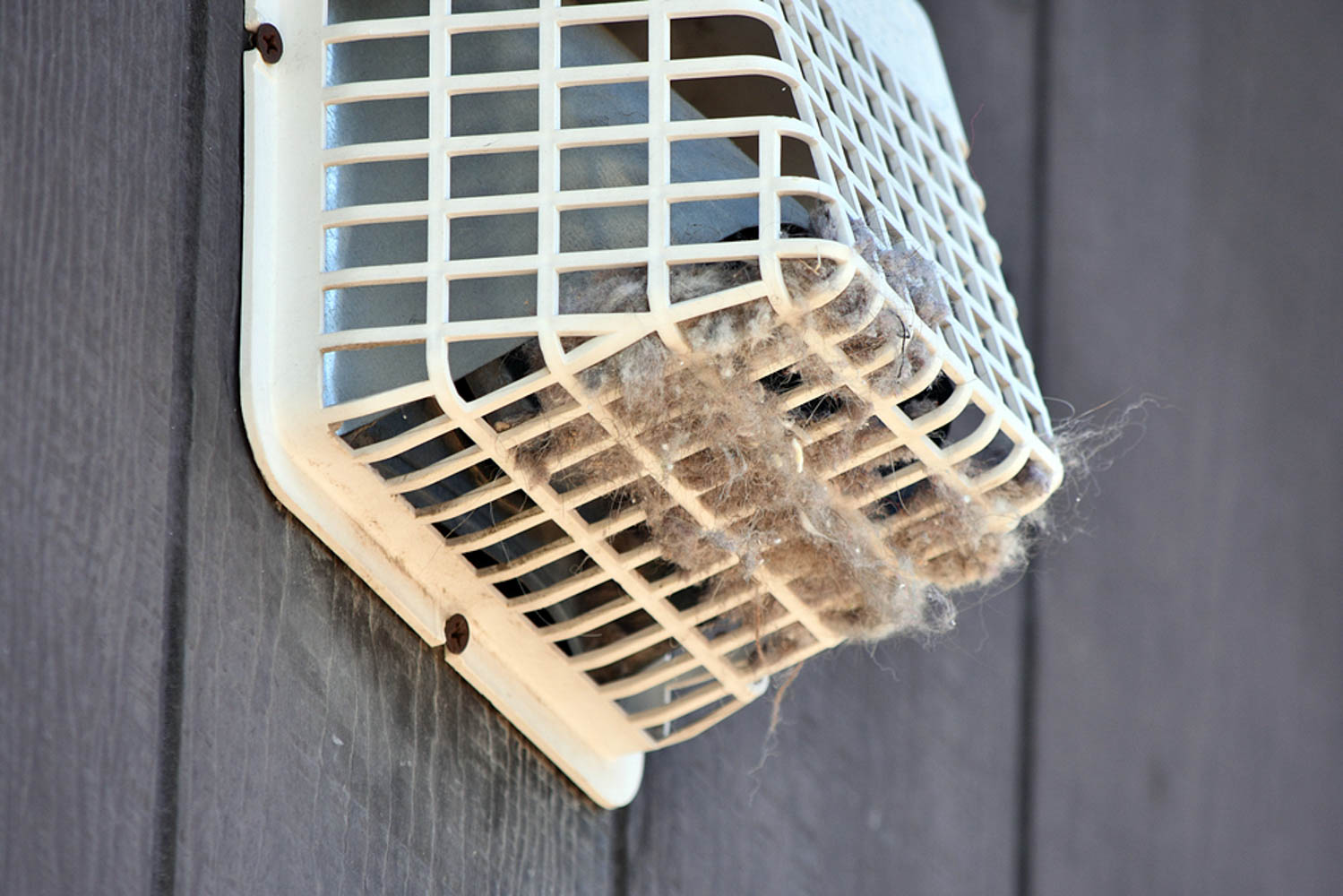
8. Visible Lint Around the Exterior Exhaust Outlet
The outdoor exhaust point should remain relatively clean.
If lint is visible outside, airflow is likely not strong enough to carry debris fully out of the system.
Common signs:
- Lint buildup around exterior hood edges
- Fibers sticking to siding or surrounding surfaces
- Debris visible after heavy use cycles
- Reduced air pressure at the outlet
This often signals the need for professional dryer vent cleaning.
9. The Appliance Frequently Shuts Off Mid-Cycle
Modern appliances include built-in safety systems designed to prevent overheating.
If airflow is restricted, these safety features may trigger shutdowns.
Possible symptoms:
- Machine stopping before cycle completion
- Error messages related to heat or airflow
- Inconsistent cycle performance
- Restarting required multiple times
A dryer vent inspection can help identify whether airflow restriction is the cause.
10. It Has Been More Than a Year Since the Last Service
Even without obvious symptoms, buildup inside the system naturally accumulates over time.
Risk increases with:
- Frequent laundry usage
- Homes with pets
- Longer exhaust runs
- Multi-person households
General maintenance reminders:
- Annual service is recommended for most homes
- Preventative care reduces long-term repair costs
- Regular cleaning improves airflow efficiency
- Maintenance helps reduce safety risks
Routine service is one of the most effective ways to maintain system safety and performance.
Does Your Location Affect Dryer Vent Fire Risk?
Yes — your location can play a meaningful role in how quickly a dryer vent fire risk develops and how often maintenance is needed. Across Canadian cities like Toronto, Mississauga, Brampton, Calgary, Edmonton, and Winnipeg, climate and housing styles can significantly impact airflow performance.
Different regional conditions can increase risk in different ways:
- Cold climates (Winnipeg, Edmonton, Calgary):
Ice buildup or condensation in exterior exhaust lines can restrict airflow and trap moisture inside the system. - Dense urban housing (Toronto, Mississauga, Brampton):
Longer duct runs in condos, townhomes, and stacked housing can increase lint accumulation and reduce airflow efficiency. - Seasonal temperature swings (all regions):
Rapid shifts between heating and cooling seasons can affect moisture levels inside ventilation lines. - Heavily used family homes:
Higher laundry frequency increases lint buildup and shortens maintenance intervals.
Even though the underlying system is the same, environmental conditions and housing design can influence how quickly issues develop. That’s why regular inspection and maintenance are especially important in Canadian homes.
Why Fire Hazards Are Commonly Overlooked
Many homeowners assume that cleaning the lint trap is enough to maintain safe operation.
While lint trap maintenance is important, a significant amount of debris bypasses the screen and enters the exhaust pathway. Over months and years, this accumulation can restrict airflow and create conditions that increase overheating and wear on the system.
Because most of the buildup occurs out of sight, problems often go unnoticed until warning signs begin to appear.
Regular inspections and preventative maintenance help identify hidden hazards before they become costly repairs or emergencies.
Protect Your Home with Professional Maintenance
Most exhaust system problems develop gradually, often beginning with minor airflow restrictions that worsen over time.
Recognizing the warning signs early can help prevent expensive repairs, improve energy efficiency, extend appliance lifespan, and enhance household safety.
Routine dryer vent cleaning, regular inspections, and proactive maintenance are among the most effective ways to support dryer fire prevention, improve performance, and protect your home.
At Airways Dryer Vent Services, we provide professional dryer vent cleaning, inspections, airflow testing, and maintenance services for homeowners across Toronto, Mississauga, Brampton, Winnipeg, Calgary, and Edmonton.
If you’ve noticed any of the warning signs listed above, a professional evaluation can help reduce fire risk and improve system performance.
Contact us today or book online to arrange a service visit and protect your home from preventable hazards.


